βœ“ Licensedβœ“ Insuredβœ“ Locally Ownedβœ“ Open 9AM–9PM Β· 7 Days
Historic home guide Β· Restoration-friendly treatment

Why Rodents Are a Major Problem in Savannah’s Historic Homes

Savannah’s historic homes β€” Federal-era, Victorian, and early-20th-century construction β€” have rodent vulnerabilities baked into their materials and methods. Modern exclusion approaches damage original features; restoration-friendly work protects both the building and its preservation status.

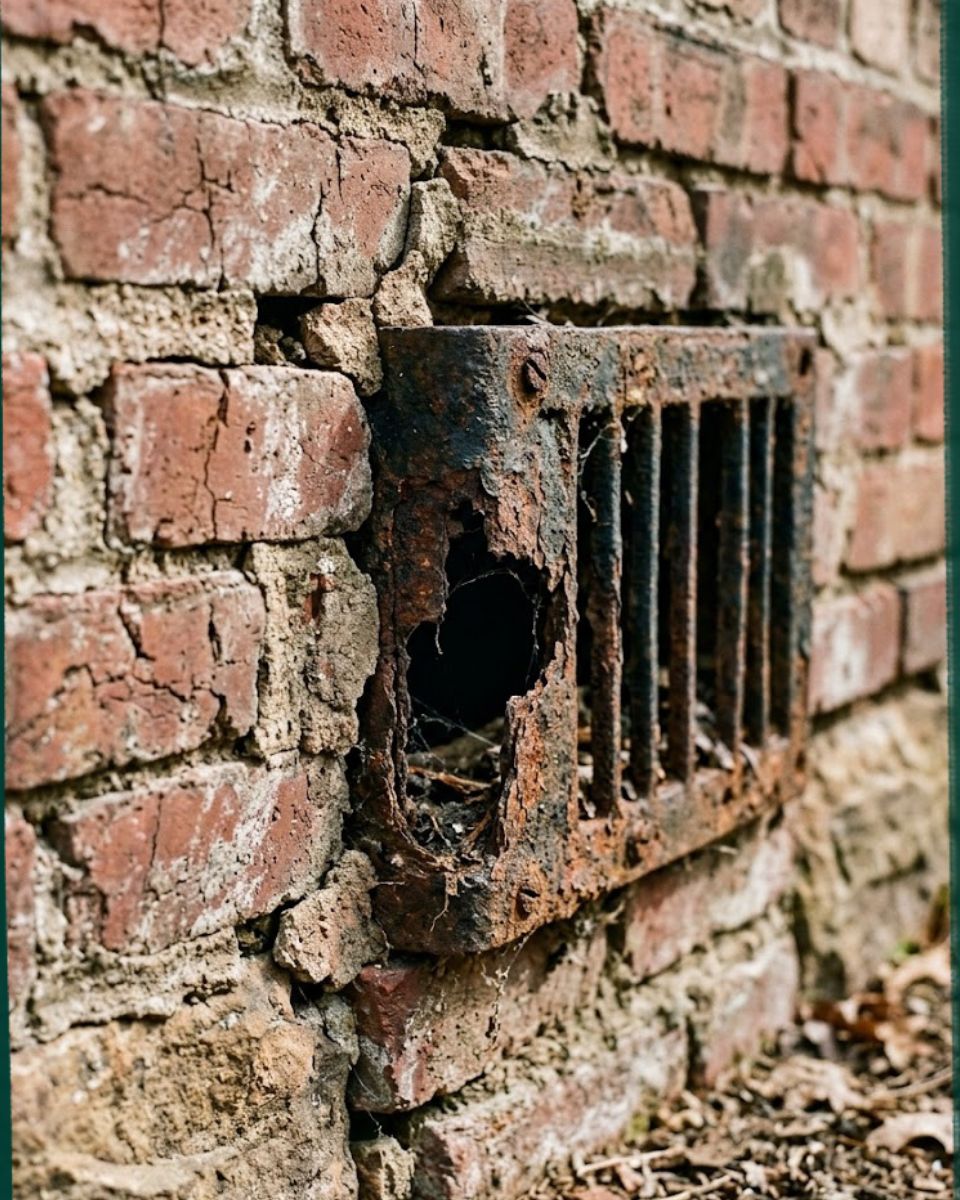
Savannah Historic District building showing brick pier foundation β€” why rodents target old homes

Why historic construction is more rodent-vulnerable

Savannah’s historic housing stock spans roughly 1810 through 1920 in the Historic District, with much earlier and later examples scattered throughout. The construction methods of this era β€” brick-pier foundations, lath-and-plaster walls, original sash windows, unfinished attics, knob-and-tube wiring β€” all create rodent-sized entry points and travel routes that simply don’t exist in modern construction.

Brick-pier foundations leave the underside of the house open by design, with continuous ventilation that’s now also continuous rodent access. Lath-and-plaster walls have hollow cavities between studs that act as rodent highways once entry is gained. Knob-and-tube wiring runs through unsealed plate penetrations that mice exploit easily. Original window and door frames have gaps that 200 years of settling have widened. Each of these is addressable, but each requires technique that’s different from work on modern construction.

The age problem β€” and the humidity problem

Beyond the construction methods themselves, age and humidity compound the rodent vulnerability. A Savannah Federal-era home in 2026 has been settling and weathering for 200+ years in Coastal Georgia humidity. Original mortar has degraded; foundation lines have shifted; soffit returns have separated; flashing has loosened; sill plates have rotted in places. Each of these creates rodent access points that didn’t exist when the building was constructed.

The humidity also accelerates wood and material breakdown. Termites get the blame for a lot of this, but rodents accelerate damage too β€” gnawing through weakened wood at the foundation line, expanding existing rot gaps, creating travel routes that further compromise structural elements. Historic homes in Savannah typically face simultaneous attention to multiple issues (termites, rodents, wood rot, foundation settling) rather than isolated rodent work.

Why generic exclusion damages historic features

The standard pest-control approach to exclusion β€” spray foam, steel wool, generic caulk, visible hardware β€” works fine on modern construction but damages historic features in several ways. Spray foam stains original brick and adheres permanently to original surfaces. Steel wool corrodes in Coastal Georgia humidity and stains everything it touches. Modern Portland mortar is too hard for original soft brick and damages the brick over time when used as repair material. Generic caulks dry hard and crack original wood when temperature cycling occurs.

Beyond the immediate damage, generic exclusion is visible from the street β€” and on historic properties, visible modifications affect both the home’s aesthetic value and potentially its compliance with historic district preservation requirements. A historic home with spray-foam-and-steel-wool patches at every vulnerable point looks much different than one with restoration-friendly exclusion, and the difference matters for resale and historic preservation status.

Restoration-friendly exclusion β€” what it actually means

Restoration-friendly exclusion uses materials and techniques that work with historic construction rather than against it. The core materials: copper mesh for masonry gaps (oxidizes to match aged brick and doesn’t corrode); lime mortar for brick repair (matches original mortar hardness and won’t damage original brick); hidden hardware cloth installed behind original soffit returns and trim (invisible from below but blocks roof-rat access); and color-matched sealants for visible exterior surfaces.

Technique matters as much as materials. Hardware cloth is installed in pre-existing gaps without cutting historic surfaces. Soffit work happens from above (through the attic) where possible rather than from below where it would be visible. Foundation work uses existing access points rather than creating new openings. Wall-void access for sealing happens through baseboards or existing penetrations rather than cutting plaster.

The result is exclusion that’s as effective as modern-construction work but invisible from the street and harmless to the historic features. Most properly executed restoration-friendly exclusion can’t be detected without crawling under the house or climbing into the attic.

Cost differences β€” historic vs. modern

Restoration-friendly exclusion costs more than standard exclusion β€” typically 25–40% more on whole-home programs. The cost difference comes from materials (copper mesh and lime mortar cost more than steel wool and Portland mortar) and from technique time (hidden installation takes longer than visible installation, and historic construction requires more careful access planning).

A typical historic-home whole-home rodent program in Savannah runs $1,200–$2,500, compared to $700–$1,300 for equivalent work on modern construction. The cost difference is real but the alternative β€” damaging original features and creating preservation-compliance issues β€” is far more expensive in property value and potential restoration costs.

Insurance, preservation, and resale considerations

Historic district homes have specific considerations for rodent work that don’t apply to modern construction. Many policies treat rodent damage as wear-and-tear excluded from standard coverage, but documented professional rodent work can support claims when consequential damage occurs (wire fires, plumbing damage from chewing). Maintaining documentation of professional work is more important on historic properties than on modern construction.

Preservation board considerations vary by district but generally treat minor rodent exclusion as below the threshold requiring pre-approval. Major exterior modifications (foundation changes, significant exterior work) may require review. Working with a contractor who understands the local preservation standards prevents both compliance issues and aesthetic problems.

Resale impact is the largest hidden cost of poorly-executed rodent work on historic homes. Pre-listing inspections typically flag visible modern exclusion, dropping perceived value and complicating negotiations. Restoration-friendly work fades into the building and doesn’t affect listing presentation.
Finding the right contractor for historic-home rodent work

Most pest-control providers don’t specialize in historic-home exclusion β€” generic providers will do standard work that’s effective for rodent control but damaging to original features. The questions to ask: Do they use copper mesh and lime mortar for historic work? Can they show you examples of completed historic-home exclusion? Are they familiar with the specific preservation standards for your district (Historic District, Mid-City, Beach Institute)?

Local providers familiar with Savannah’s historic-home landscape are typically the right choice over national chains. The technique and material knowledge develops with experience on these specific properties β€” generic training doesn’t prepare for the specific decisions involved in working on 19th-century brick or 1920s craftsman construction.

Need help with rodents in Savannah?

Same-day inspection, locally owned, 90-day exclusion warranty across Chatham, Effingham, Bryan, and Liberty Counties.

πŸ“ž Call (912) 305-0115

Related reading and services

Related blog posts: historic-home rodent-proofing techniques Β· attic and crawl space guide Β· 2026 ultimate guide.

Related services: historic home rodent control Β· rodent exclusion Β· crawl space sealing.

From Forsyth Park to Tybee β€” We Cover All of Chatham

Trusted Coastal Georgia rodent specialists since 2023. Same-day inspection and quote β€” no charge.

πŸ“ž Call (912) 305-0115
πŸ“ž Call (912) 305-0115 β€” Same-Day Service