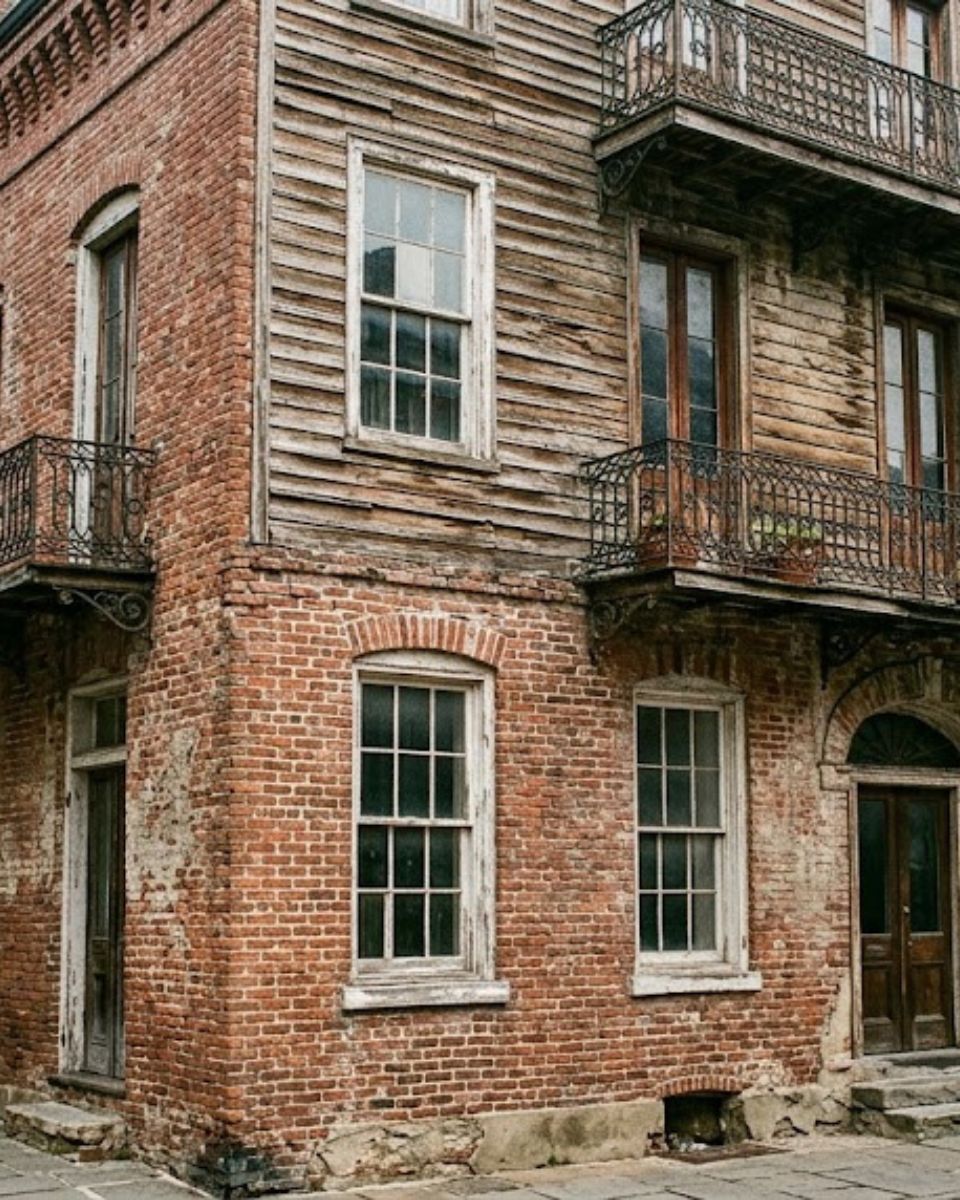
Why does historic home work cost more than standard rodent control?
Three reasons. The materials are different — copper mesh and lime mortar cost more than spray foam. The technique is slower — hiding exclusion behind original features takes hours per location instead of minutes. And the labor experience needed is rarer — most pest-control technicians haven’t been trained in restoration-conscious work. The pricing reflects those real cost differences, not a premium for the address.
Will rodent work damage my original plaster walls?
Not in our scope — we don’t drill into plaster walls for exclusion work. If interior wall access is needed (rare), we work through baseboard or existing penetrations rather than creating new ones. Plaster work that does need to happen we coordinate with a restoration contractor; we don’t do amateur plaster repair.
Can you work on a Historic Review Board–regulated property?
Yes — most rodent exclusion stays small enough that it doesn’t require Review Board pre-approval (the threshold is typically significant exterior alteration). Where it does, we coordinate with the homeowner’s submission to the board and provide specifications suitable for review. We’ve worked on Historic District and Victorian District properties under these constraints.
What if my historic home has knob-and-tube wiring remnants?
Knob-and-tube remnants are common in unrenovated Historic District homes and they create specific rodent vulnerabilities — every K&T penetration through plates and joists is a potential mouse highway. We document K&T-related entry points during inspection. Sealing them is part of our scope; replacing the wiring itself is electrical-trade work.
Will the exclusion be visible from the street?
No — restoration-conscious exclusion stays invisible from the curb. Hardware cloth installs behind original soffit returns. Copper mesh sits inside masonry gaps and oxidizes to brick color. Sealant is color-matched to existing trim. After our work, the house looks the same as before — except the rodents can’t get in anymore.
Do you serve all of Savannah’s historic neighborhoods?
Yes — Historic District, Victorian District, Beach Institute, Gordonston, Bonaventure-adjacent, Ardsley Park (early 20th century), Cuyler-Brownsville, and the older sections of east-of-downtown. Each has slightly different housing stock and slightly different challenges, but the approach is consistent: protect the original features while solving the rodent problem.
Can you work on a vacation rental that’s a historic home?
Yes — many Historic District short-term rentals are operated by remote owners or property managers. We coordinate with the property manager, work around guest occupancy when possible, and document everything for the rental platform if needed. See our Airbnb rental property rodent services for more on rental-specific scope.
What about insurance for historic homes?
Historic-home insurance policies often have stricter requirements about contractor selection and materials. We carry general liability and can provide certificates suitable for most historic-home insurance carriers. If your policy has specific contractor requirements, send us the requirements before scheduling and we’ll confirm we can meet them.
Is this scope worth it vs. standard rodent control on my historic home?
For a property you intend to preserve, yes — the cost difference is meaningful but the alternative is damage to features that are expensive (or impossible) to restore. For a historic home you’re actively renovating or that already has heavy modern interventions, standard scope sometimes works. We’ll tell you honestly during inspection which scope makes sense for your specific property.