βœ“ Licensedβœ“ Insuredβœ“ Locally Ownedβœ“ Open 9AM–9PM Β· 7 Days
Restoration-friendly techniques Β· Material selection

Rodent-Proofing Savannah Historic Homes Without Damaging Original Features

Generic exclusion damages historic features and creates preservation-compliance issues. Restoration-friendly techniques use specific materials and hidden installation methods that protect both your home and its preservation status.

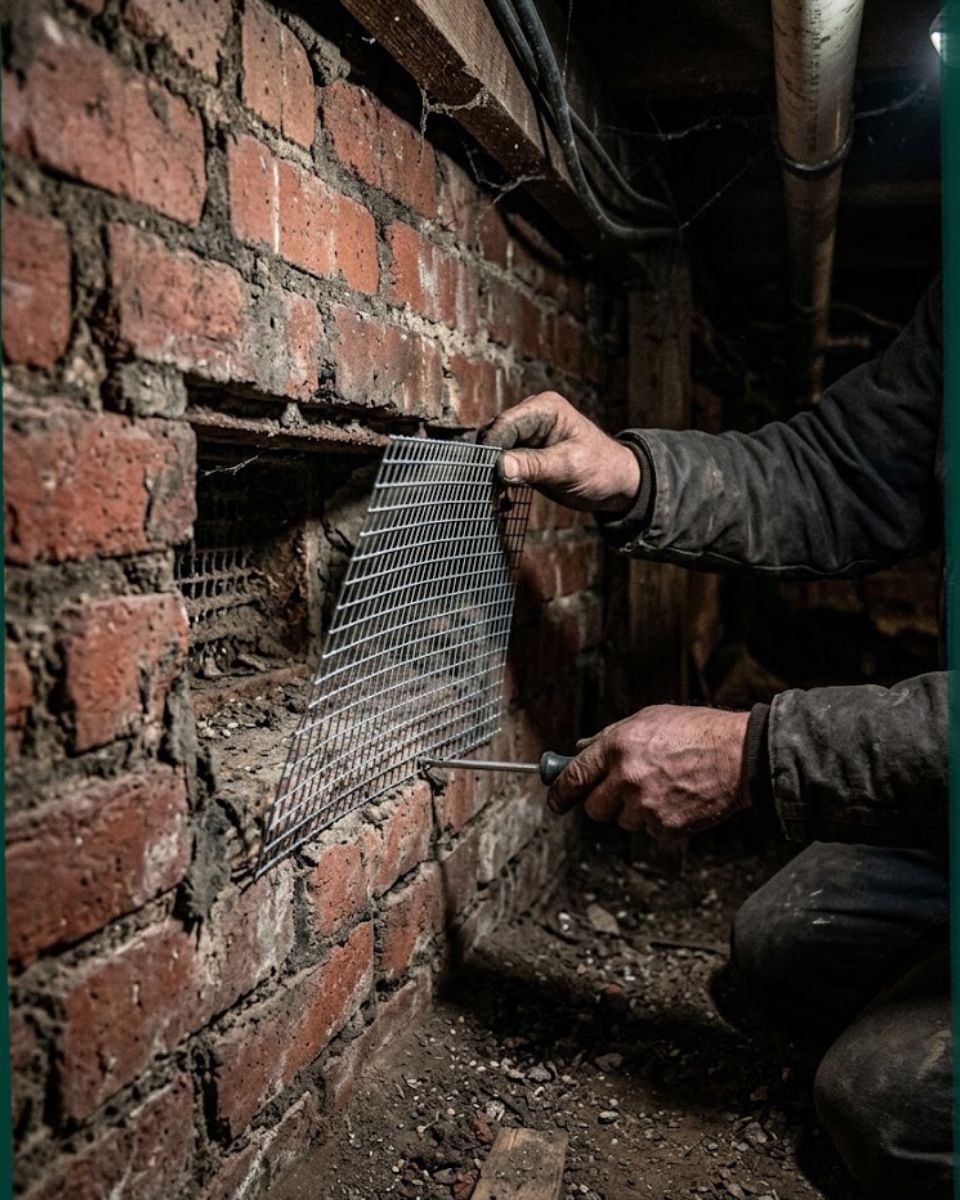
Savannah Historic District brick home with copper mesh exclusion detail

Why this matters more in Savannah than most cities

Savannah has more historic housing per capita than most U.S. cities β€” the Historic District alone contains over 1,400 designated historic buildings, with additional designated neighborhoods (Beach Institute, Mid-City Victorian District, Cuyler-Brownsville) extending the historic footprint substantially. Many homes outside designated districts are still genuinely historic by construction era. The preservation considerations affect a substantial share of Savannah residential properties.

Beyond preservation compliance, historic homes have significant intrinsic value tied to original features. Original soffit returns, lath-and-plaster walls, brick-pier foundations, original sash windows β€” these features add real value to historic properties, and damage to them affects both aesthetics and resale value. Treating rodent work as ‘just exclusion’ without consideration of historic features creates compounding problems beyond the rodent issue itself.

Copper mesh β€” why it’s the right material for masonry gaps

Copper mesh is the standard restoration-friendly material for gaps in original brick, tabby, and stone foundations. Several properties make it appropriate: copper doesn’t corrode in humid Coastal Georgia conditions (steel wool rusts and stains masonry within months); copper oxidizes to a patina that matches aged masonry visually rather than standing out; copper is dense enough that rodents won’t chew through it; and copper is non-staining to surrounding materials.

Installation involves packing copper mesh tightly into the masonry gap, leaving a slight inset from the visible surface so it’s not prominent, and (where appropriate) capping with lime mortar to match surrounding mortar joints. The combined installation is essentially invisible from the curb after a few months of exposure to the elements.

Cost-wise, copper mesh runs about 4–6 times the cost of steel wool by weight, which is real but manageable on a typical historic-home exclusion budget. The cost difference is meaningfully smaller than the cost of remediating steel-wool damage to original masonry years later.

Lime mortar β€” why Portland mortar damages historic brick

Original Savannah brick β€” particularly in pre-1900 construction β€” is soft brick fired at lower temperatures than modern brick. The mortar holding it is similarly soft lime-based mortar designed to be slightly softer than the brick itself. The system works because the softer mortar absorbs thermal and moisture stress without transferring it to the brick, allowing the brick to last centuries without cracking.

Modern Portland mortar is much harder than original lime mortar β€” typically 2–4 times harder by compressive strength. Using Portland mortar in historic brick repair transfers thermal and moisture stress to the brick instead of the mortar, causing the brick to crack and spall over time. The damage isn’t immediate (it accumulates over years), but it’s significant and permanent.

Restoration-friendly rodent work in masonry uses lime mortar matched to original specifications, available from specialty suppliers serving the historic preservation trade. The mortar is more expensive than Portland mortar and has a longer cure time (allowing it to chemically match the original’s long-term behavior), but it’s the only appropriate material for historic brick repair.

Hidden hardware cloth β€” installation behind original features

Hardware cloth (1/4 inch galvanized or stainless mesh) is the standard material for blocking soffit, vent, and similar large-opening rodent access. The restoration-friendly approach is hidden installation β€” placing the hardware cloth behind original architectural features so it does its work without being visible from below.

For soffit returns: hardware cloth installed from inside the attic, blocking the gap between original soffit and rafter ends, without removing or damaging the original soffit. For gable vents: hardware cloth installed behind original louvers, replacing damaged screens while preserving the louver assembly. For roof vents: hardware cloth installed inside the flashing collar, hidden by the original vent cap.

Hidden installation takes longer than visible mounting (where hardware cloth is simply screwed over an opening from outside) but produces invisible results. On historic properties, the technique time difference is justified by the preservation outcome.
Color-matched sealants β€” when caulking is appropriate

Some rodent exclusion gaps are too small for hardware cloth or copper mesh and need sealing rather than blocking. The restoration-friendly approach uses color-matched paintable sealants that blend with original surfaces. White caulk on original cream-painted Victorian trim looks wrong; tinted sealant matching the trim color is invisible.

Sealant selection for historic exterior work: polyurethane or hybrid polymer sealants (durable, paintable) rather than silicone (visible sheen, paint-resistant); color matched or tintable to original paint colors; and applied in thin clean beads rather than thick blobs that draw attention.

Interior approaches β€” protecting plaster and original wood

Interior rodent work in historic homes faces a different challenge: most original interior surfaces (lath-and-plaster walls, original wood trim, original flooring) are valuable and damageable. Generic interior pest control sometimes drills into plaster for treatment access or removes original trim for sealing β€” both damaging to historic features.

Restoration-friendly interior approaches: sealing at existing penetrations (utility entries, plumbing penetrations, electrical box edges) without creating new ones; working through baseboards or under-cabinet voids rather than wall penetrations; and using removable mechanical traps rather than baited stations that require fixed mounting.

When wall penetration is genuinely necessary (concealed dead rodent, inaccessible nesting site), the work is coordinated with restoration contractors who can repair plaster appropriately rather than leaving generic drywall patches.

Permit and preservation review considerations

Most rodent exclusion work in Savannah’s historic districts stays below the threshold requiring Historic Preservation Board (or Mid-City Historic District) pre-approval. Minor sealing, vent rescreening, and color-matched repairs typically don’t require review. Larger work (foundation modifications, significant exterior alterations) may require pre-approval depending on the specific district and the scope of work.

The practical approach is to follow preservation work standards regardless of whether specific work technically requires review. The standards exist for good reasons (preventing damage to historic features) and following them produces better outcomes for the property even when no formal review is required. Working with contractors who know the local preservation standards is more important than worrying about which specific work technically requires permits.

Finding contractors who actually do this work

Most pest-control providers don’t specialize in historic-home restoration-friendly work. Generic providers do generic work, which works for rodent control but damages historic features. The questions to ask when hiring: Do you use copper mesh and lime mortar specifically for historic work? Can you show me photos of completed work on similar properties? Do you know the specific preservation standards for [your district]? What’s your repair plan if any original feature is damaged during exclusion?

Local providers familiar with Savannah’s specific historic-home landscape are typically the right choice. The technique and material knowledge develops with experience; generic training doesn’t prepare for the specific decisions involved in working on 19th-century construction. National chains can do the work but typically aren’t trained for this specific approach.

Need help with rodents in Savannah?

Same-day inspection, locally owned, 90-day exclusion warranty across Chatham, Effingham, Bryan, and Liberty Counties.

πŸ“ž Call (912) 305-0115

Related reading and services

Related blog posts: why historic homes are vulnerable Β· attic and crawl space guide Β· ultimate 2026 guide.

Related services: historic home rodent control Β· rodent exclusion Β· crawl space sealing.

From Forsyth Park to Tybee β€” We Cover All of Chatham

Trusted Coastal Georgia rodent specialists since 2023. Same-day inspection and quote β€” no charge.

πŸ“ž Call (912) 305-0115
πŸ“ž Call (912) 305-0115 β€” Same-Day Service