βœ“ Licensedβœ“ Insuredβœ“ Locally Ownedβœ“ Open 9AM–9PM Β· 7 Days
Concealed-space guide Β· Damage and remediation

Attic & Crawl Space Rodent Problems in Savannah Homes

Most Savannah rodent infestations happen in attics and crawl spaces β€” concealed areas homeowners rarely visit. Understanding what’s happening in these spaces is the difference between catching problems early and discovering them after substantial damage.

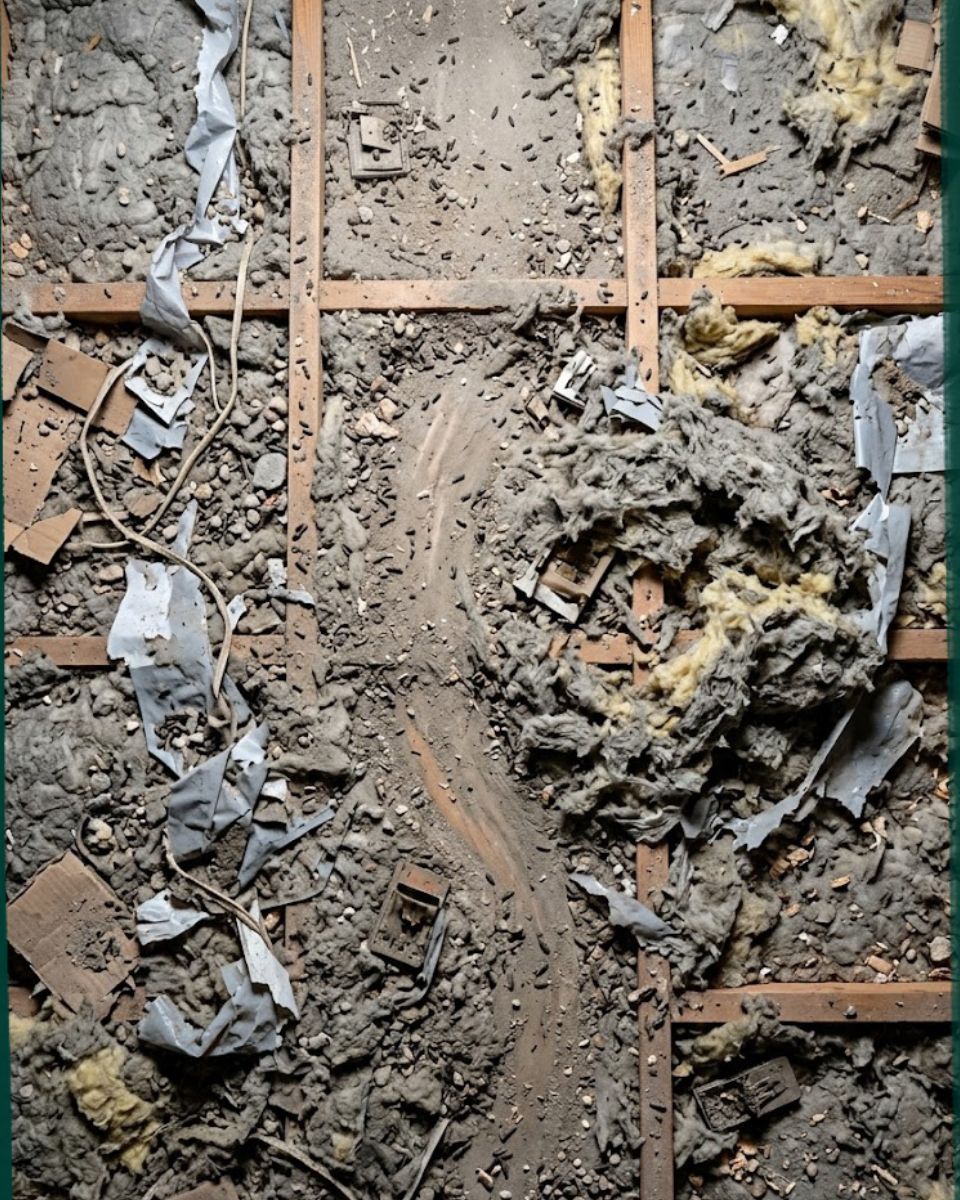
Attic space with rodent activity and disturbed insulation β€” Savannah home rodent guide

Why attics and crawl spaces are rodent magnets in Savannah

Attics and crawl spaces share three characteristics that make them rodent-attractive: they’re concealed from regular human visits (rodents prefer locations where they’re undisturbed), they offer temperature regulation (cooler in summer, warmer in winter than exterior), and they typically have abundant nesting material (insulation, stored items, wood framing). Most rodent populations in Savannah homes establish in one or both of these spaces before homeowners notice activity in living areas.

Savannah’s specific climate adds two factors. The year-round humidity means concealed spaces stay attractive to rodents continuously rather than seasonally. The architectural prevalence of unfinished attics (in older homes) and ventilated crawl spaces (in elevated and brick-pier construction) creates substantial accessible space in essentially every residential property.

Attic rodent problems β€” primarily roof rats

Roof rats dominate Savannah attic work because of the tree-canopy access that defines so many residential neighborhoods. Live-oak and pecan canopies create overhead travel routes that put roof rats directly at attic-level access points β€” soffit returns, gable vents, ridge vent flashing, dormer trim. Once a population gains attic access, it typically expands quickly because of the abundant nesting material and undisturbed conditions.

Signs of active attic roof-rat populations: droppings on top of insulation (particularly in clusters at preferred nesting locations), shredded insulation or fabric pulled apart for nest material, smudge marks on attic joists where rats travel, and scratching sounds from the attic at dusk and dawn (the crepuscular roof-rat activity window).

House mice also use attic spaces, particularly in older homes with original construction features. Mouse activity in attics typically involves smaller droppings (1/8 inch vs. roof rat 1/2 inch) and lighter scuttling sounds. Mice in attics are less commonly the primary issue than roof rats, but they do appear in mixed-population situations.

Crawl space rodent problems β€” primarily Norway rats

Norway rats dominate Savannah crawl-space work because of their ground-level habitat preference. Crawl spaces under elevated or brick-pier foundation construction create exactly the conditions Norway rats prefer β€” concealed ground-level access with abundant harborage. Burrows, nesting sites, and travel routes establish quickly in crawl spaces that lack effective exclusion sealing.

Signs of active crawl-space Norway rat populations: droppings along sill plates and on top of vapor barriers, burrow holes in dirt floors or beneath vapor barriers, smudge marks along beams and pipes at travel routes, and damage to insulation, ducting, or stored items in the crawl space.

Crawl spaces also support roof rat and mouse activity in some situations β€” particularly older homes where roof rats use crawl spaces as travel corridors between sections of the building, or mouse populations that establish nesting sites in undisturbed crawl-space areas.

The damage that builds up unseen

Insulation damage is the most consistent rodent damage to concealed spaces. Roof rats and mice both pull apart insulation for nesting material; established populations can destroy substantial portions of attic insulation over a year. The damage isn’t just aesthetic β€” compressed and disrupted insulation loses R-value, which increases cooling load in Savannah’s long hot summers.

Wire damage from chewed insulation is the most consequential damage. Rodents chew wire insulation reliably; in attics and crawl spaces with significant wire runs, established populations create fire risk and code-compliance issues. Insurance carriers occasionally cover the consequential damage from electrical fires but rarely cover the prevention or remediation cost.

Wood damage to structural elements (joists, sill plates, framing) accumulates with sustained activity. Norway rats particularly cause damage to crawl-space sill plates over time. Wood damage compounds with humidity-related deterioration that’s already a factor in Coastal Georgia homes.

HVAC ducting damage occurs when rodents access ductwork β€” chewed insulation on exterior ducting, droppings inside ducting that distribute through the air-handling system, and damaged duct seams. Ducting damage is significant because air handling distributes the contamination throughout the home.
Treatment approach β€” separating active and remediation work

Treatment of attic and crawl-space rodent issues happens in stages. Stage one is active rodent removal β€” trapping or, in commercial settings, exterior baiting. This typically takes 2–4 weeks to verify a clear population. Stage two is exclusion sealing β€” closing the entry points the rodents used to access the space. This is the durable fix; without it, new rodents replace the cleared population within weeks. Stage three (if needed) is remediation β€” cleanup of droppings, removal of contaminated insulation, replacement of damaged ducting or wiring.

The remediation stage is often the largest cost of recovering from a sustained infestation. Full attic cleanup and insulation replacement on a typical Savannah home runs $4,000–$10,000 combined. Customers sometimes attempt to skip the remediation stage, but the contamination doesn’t fade β€” droppings continue to off-gas, urine continues to attract new rodents, and odor persists in damp humid conditions for months or years.

What inspection actually looks at

Proper attic inspection involves physical entry through the attic hatch with appropriate PPE (the spaces are typically contaminated to some degree even without active populations). The technician maps current activity (droppings location and freshness, sounds, smudge marks), identifies entry points from inside the attic envelope, assesses insulation condition for damage and contamination, checks wire and ducting for damage, and documents everything with photographs.

Crawl-space inspection is similar β€” physical entry with PPE, mapping of activity, identification of entry points and burrows, assessment of moisture and vapor barrier condition, and photographic documentation. Some crawl spaces require specialized access equipment for height-restricted areas.

The inspection deliverable is a written report with scope recommendation and pricing. This is the basis for any treatment decisions; verbal inspection summaries are typically inadequate for the property decisions involved.

Preventing recurrence after treatment

Two factors prevent rodent recurrence in attics and crawl spaces. First, the quality of exclusion sealing β€” gaps that aren’t sealed will be re-entered. Second, ongoing pressure from the broader neighborhood β€” properties in canopy-heavy areas continue to face new pressure even after thorough sealing. The combination of thorough sealing plus periodic monitoring (quarterly inspection in high-pressure areas) handles both factors.

Some properties benefit from ongoing exterior bait station programs to reduce the broader-area pressure that would otherwise pressure the sealed envelope continuously. This is most useful on marsh-edge, port-corridor, restaurant-corridor, and similar high-pressure properties.

Need help with rodents in Savannah?

Same-day inspection, locally owned, 90-day exclusion warranty across Chatham, Effingham, Bryan, and Liberty Counties.

πŸ“ž Call (912) 305-0115

Related reading and services

Related blog posts: historic-home proofing Β· infestation signs Β· ultimate 2026 guide.

Related services: attic rodent proofing Β· crawl space sealing Β· attic cleanup.

From Forsyth Park to Tybee β€” We Cover All of Chatham

Trusted Coastal Georgia rodent specialists since 2023. Same-day inspection and quote β€” no charge.

πŸ“ž Call (912) 305-0115
πŸ“ž Call (912) 305-0115 β€” Same-Day Service