βœ“ Licensedβœ“ Insuredβœ“ Locally Ownedβœ“ Open 9AM–9PM Β· 7 Days
Port-borne · Restaurants · Sewers

Norway Rat Control in Savannah, GA

Savannah has had Norway rats as long as it’s had a port β€” about 290 years. They live at ground level, work the restaurant corridors and sewers, and dig burrows along foundation lines. Different species, different rat, different treatment than roof rats.

Same-day Β· Open 9AM–9PM Free inspection Chatham + 3 counties
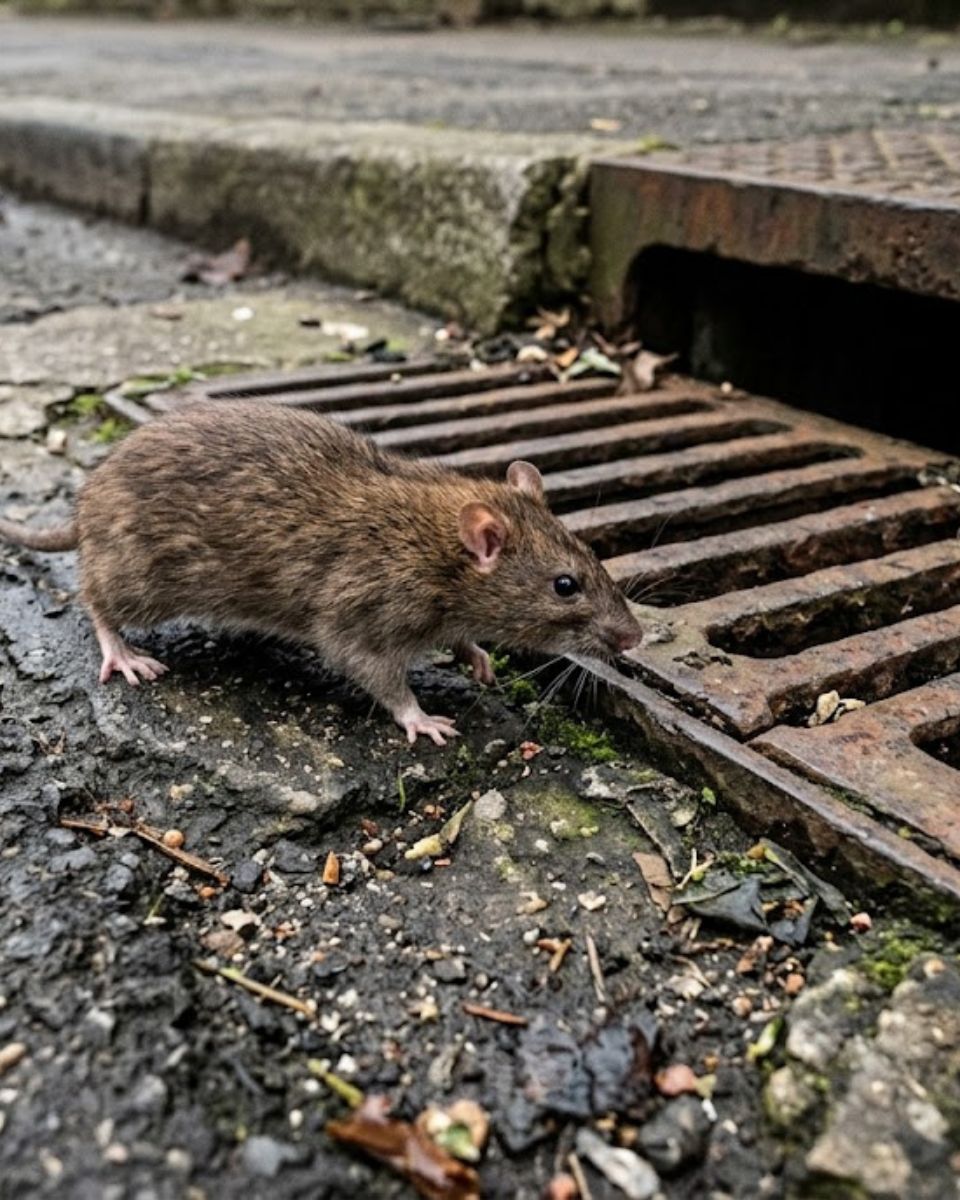
Norway rat near ground-level drain β€” Norway rat control in Savannah GA

Norway rat control in Savannah is the ground-level trapping, baiting, and exclusion work specific to Rattus norvegicus β€” the larger, heavier rat that dominates port cities and dense urban areas. Norway rats arrived in Savannah through shipping centuries ago and never left. They live in burrows along foundations, work the sewer system, exploit restaurant garbage corridors, and enter crawl spaces through gaps in brick-pier foundations. Treating them requires exterior bait stations, perimeter exclusion, and ground-level interventions β€” very different from the attic-focused work for roof rats. Typical scope: $500–$1,800.

Why this matters in Savannah

Savannah’s Norway rat population is concentrated in specific corridors: River Street and Bay Street downtown (port proximity plus restaurant density), Broughton Street and the tourism core (food-service corridors), Garden City and Port Wentworth (industrial logistics with grain and food cargo), the Chatham Parkway warehouse district, and any neighborhood with marsh-edge or tidal-corridor properties (Isle of Hope, Coffee Bluff, Thunderbolt). Outside those zones, Norway rat pressure exists but is lighter than roof rat pressure.

Norway rats are also the species responsible for most of the crawl-space rodent calls in Savannah’s historic homes. Brick-pier foundations have natural gaps that Norway rats exploit; once they’re under the home, they dig and expand. The other operationally important difference: Norway rats respond to exterior bait stations far more reliably than roof rats do, because their foraging behavior is more ground-anchored and they’re less wary of new food sources. That makes commercial bait-station programs effective specifically for Norway rats in a way they aren’t for roof rats.

What's included

Our process

How we work this service

Find the burrows

Norway rats almost always have visible exterior burrows β€” 2–4 inch holes near foundations, fence lines, under sheds, or in landscape mulch. We map them first.

Identify food sources

What’s sustaining them? Garbage areas, pet food, bird feeders, garden access, restaurant grease bins. Source removal accelerates clearance.

Install stations

Tamper-resistant locked bait stations placed along the perimeter at burrow exits, foundation corners, and pressure-direction lines from neighboring properties.

Seal ground access

Brick-pier foundation gaps, garage door corners, utility line entries, sill-plate gaps at ground level. Mesh, mortar, or hardware cloth depending on surface.

Service and monitor

Initial follow-up at 10–14 days. Commercial maintenance programs include monthly station service with documentation.

Cost of norway rat control in Savannah, GA

Norway rat work in Savannah scales primarily by perimeter length (more foundation = more stations) and by whether the building is residential or commercial. Commercial work generally includes ongoing maintenance pricing.

ScopeWhat's includedTypical range
Residential single-visitInspection, burrow treatment, 2–4 exterior stations, ground exclusion$500–$900
Crawl-space Norway rat infestationCrawl-space access, interior trapping, exterior stations, brick-pier sealing$900–$1,800
Commercial setup + monthly serviceInitial install + ongoing exterior maintenance$400–$800 + $150–$400/month
Restaurant compliance programInspection-grade exterior stations, monthly service, documentation$200–$500/month

All prices include the initial inspection, treatment, and a written summary. Final quote is provided in writing before any work begins β€” no surprise fees.

DIY vs. professional service

DIY Norway rat workProfessional service
Bait station typeHardware-store stations aren’t tamper-resistant β€” children, pets, and wildlife can access the bait. Some are illegal for OTC use with restricted-use rodenticides.EPA-approved tamper-resistant locked stations. Restricted-use bait deployed legally with proper documentation.
Burrow treatmentPouring bleach or smoke bombs into burrows is ineffective and sometimes illegal under stormwater rules. Burrows often missed entirely.Burrow-baiting with bait blocks placed deep in the burrow, then collapsed. Proven technique with measurable effect on local population.
Brick-pier foundation sealingHistoric-home foundations need specific materials β€” mortar repair, copper mesh, or stainless steel. Wrong material damages the building.Material chosen per surface. Mortar repair on historic masonry, hardware cloth on modern foundations, copper mesh for tight gaps.
Compliance documentationNone β€” and restaurants, healthcare facilities, and commercial properties typically require it.Written records of every station service, suitable for health department and audit purposes.

Trusted Coastal Georgia Rodent Specialists Since 2023

Norway rat burrows expand fast. Active perimeter pressure becomes interior pressure within weeks. Same-day inspection.

πŸ“ž Call (912) 305-0115

Frequently asked questions

How do I tell Norway rat burrows from other animal holes in my yard?

Norway rat burrows are 2–4 inches in diameter at the entry, typically located against a structure (foundation, shed, fence post, retaining wall), and usually have a visible ‘run’ or smoothed dirt path from the entry. The burrow itself goes 2–4 feet deep and often has a secondary exit nearby. Possum and armadillo holes are larger; mole tunnels are shallow surface raises; chipmunk holes are smaller and don’t have the smoothed approach path.

Will exterior bait stations really keep Norway rats away from my house?

Yes, when placed correctly. Norway rats forage along predictable lines and intercept food sources methodically. A perimeter of properly-placed tamper-resistant stations puts a kill zone between the rat population pressure (from neighbors, sewer, port corridor) and your building. Most Savannah residential properties need 2–4 stations; commercial properties need more. Monthly or quarterly service keeps the stations baited and functional.

Are the bait stations safe for my dog?

Yes β€” tamper-resistant stations are designed specifically to prevent pet access. The bait sits inside a chamber that requires a key to open; the only access port is sized for rats. Stations are weighted or bolted in place so a dog can’t carry one off. We position them along foundation lines and fence lines where pets don’t typically rest. We’re happy to show you the exact placement before installing.

Why does my downtown restaurant keep having Norway rat issues?

Two structural factors: downtown Savannah’s sewer system carries Norway rat populations between blocks, and the food-service density on Bay Street, River Street, and Broughton Street creates concentrated exterior food sources (grease containers, dumpsters, food prep cleanup). Restaurants in this corridor that don’t maintain a structured exterior bait station program almost always see recurring pressure. Restaurants that do see far fewer issues.

Can Norway rats come up through my toilet?

Rare but documented in dense urban areas with combined sewer systems. Savannah’s sewer infrastructure does support Norway rat populations, and toilet entry has happened. The fix is a one-way valve installed by a plumber on the sewer lateral if it’s a recurring concern. We can identify the risk during inspection but the valve installation itself is plumbing work, not pest-control work.

Do Norway rats live in Savannah’s marshes?

Yes β€” marsh-edge properties on Isle of Hope, Coffee Bluff, Thunderbolt, and the tidal corridors of Skidaway and Wilmington Islands have elevated Norway rat pressure. The species adapts well to wet ground and tidal marsh edges, and properties at the marsh interface get pressure from both their neighbors and from the marsh itself. Treatment is the same; placement of stations shifts toward the marsh-side perimeter.

How are crawl-space Norway rats different from attic roof rats?

Different species, different access, different treatment. Norway rats enter crawl spaces through ground-level gaps (brick-pier foundation gaps, vent openings, utility penetrations) and dig burrows under the home. They damage vapor barriers, HVAC ducts, and insulation. Roof rats enter attics overhead and damage wire insulation and attic insulation. Both species can be present at the same property β€” we treat each in its own zone.

Does Garden City and Port Wentworth have heavier Norway rat pressure?

Yes β€” those areas have the highest concentrated Norway rat pressure in Chatham County because of the port logistics infrastructure. Container yards, grain handling, food cargo, and the rail corridors all sustain larger Norway rat populations than residential neighborhoods. Commercial properties in those areas typically need structured monthly programs rather than one-shot treatments.

How long until I see fewer Norway rats after starting service?

Burrow activity typically drops within 7–14 days of station installation if the placement and bait are correct. Visible rats above-ground decrease over the same window. Full perimeter control β€” meaning no fresh burrows, no new sign β€” typically reaches steady state at 4–8 weeks of service. Ongoing maintenance keeps it there.
Related Savannah rodent services

Related Savannah services: warehouse and port-corridor programs Β· restaurant rodent control Β· tamper-resistant bait stations.

From Forsyth Park to Tybee β€” We Cover All of Chatham

Trusted Coastal Georgia rodent specialists since 2023. Same-day inspection and quote β€” no charge.

πŸ“ž Call (912) 305-0115
πŸ“ž Call (912) 305-0115 β€” Same-Day Service