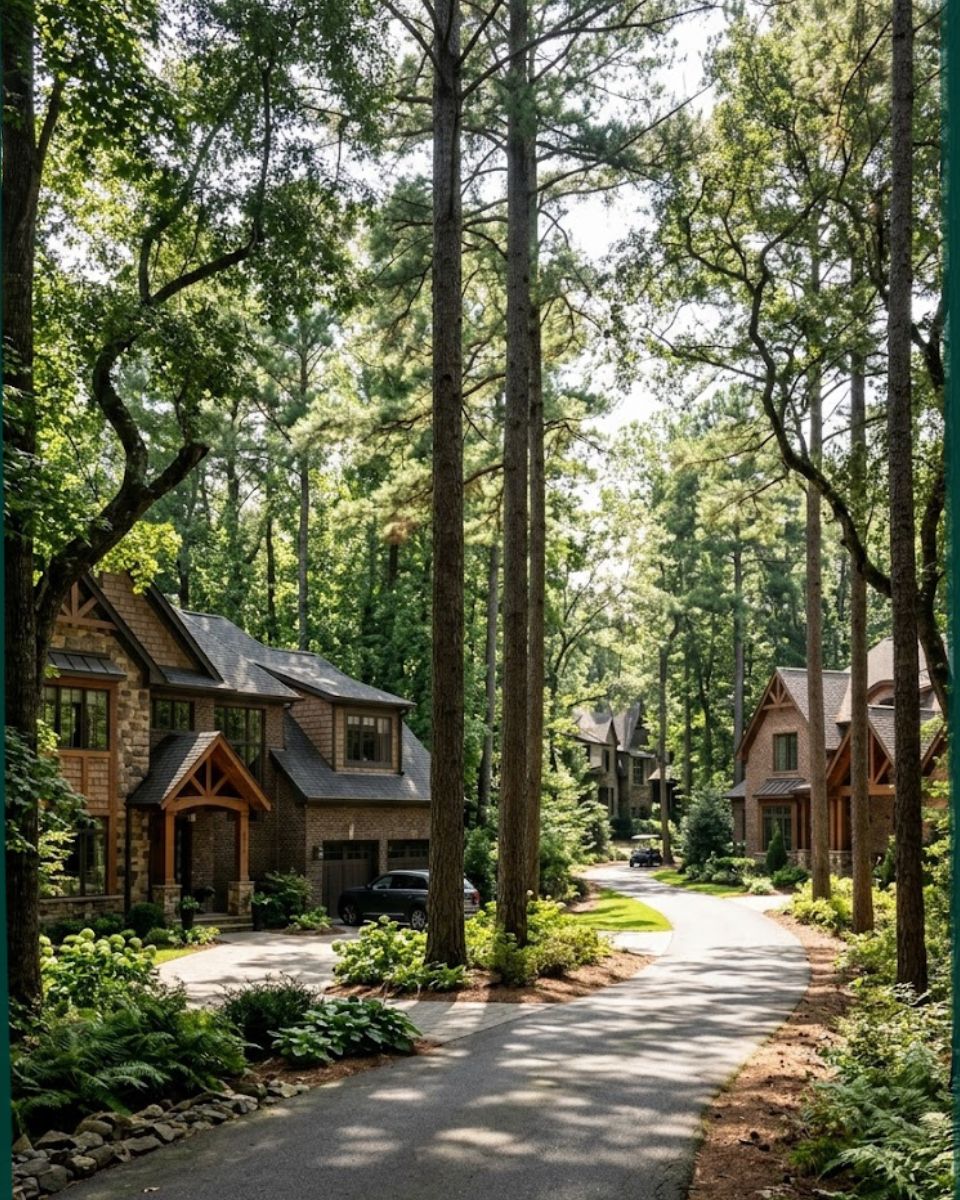
The Landings is a 40-year-old gated community on Skidaway Island with mature live-oak canopy, marsh-edge properties, and HOA-coordinated standards. The rodent profile combines roof rat pressure from the tree canopy with Norway rat pressure from marsh proximity.

The Landings has unusually heavy rodent pressure for a gated community, and the reason is geography rather than maintenance. Skidaway Island combines two of the highest-pressure rodent vectors in Coastal Georgia: dense mature live-oak canopy across the established neighborhoods, and direct marsh-edge exposure across many of the waterfront lots. The community’s 40-year age means the trees are fully mature and the structures have had time to develop the wear-and-settling that creates rodent vulnerabilities.
The HOA-coordinated nature of the community adds operational considerations. Major exterior work typically requires architectural review board notification. Gate access for service vehicles needs coordination. Community standards on visible exterior modifications affect material selection. We work within all of these constraints regularly and we know how to schedule and execute Landings work without creating ARB issues.
The Landings was built primarily from the early 1970s through the 1990s, with continued infill and renovation since. The housing stock spans single-story patio homes, two-story custom builds, and waterfront estate properties. Construction varies but most homes have crawl-space foundations, attic spaces accessible through hatch openings, and significant exterior surface area relative to interior footprint.
Roof construction is typically asphalt shingle or metal on engineered trusses with substantial soffit and gable vent infrastructure β and those soffits and vents are the primary roof-rat entry vectors. Decades of weather exposure have shifted some flashing and degraded some vent screens, opening gaps that didn’t exist at original construction. Exclusion work on Landings homes typically focuses on the roofline and soffit envelope.
Waterfront and near-waterfront properties have additional considerations: vented under-house spaces on elevated builds, salt-air corrosion that limits hardware material choices, and direct marsh-edge rodent pressure that other properties don’t face.
Roof rats are the most common species in The Landings, driven by the mature live-oak and palm canopy. Active attic populations are particularly common October through February as acorns drop and temperatures push roof rats toward indoor harborage. Established attic populations stay active year-round.
Norway rats dominate the marsh-edge properties. Waterfront homes facing the marsh on Skidaway Island’s tidal corridors get pressure from marsh-resident populations that other properties don’t face. Crawl-space and exterior perimeter work matters more on these properties.
House mice are less common than rats in The Landings β the housing stock is newer and better-sealed than downtown historic homes, so mouse-sized entry points are fewer. When mice do establish, it’s usually through specific weak points (garage transitions, utility penetrations, dryer vent gaps).
Every rodent service we offer is available across this neighborhood. The most-requested for this area:
The Landings and Skidaway Island rodent control β live-oak roof rats, marsh-edge Norway rats, HOA-aware programs.
π Call (912) 305-0115Yes β we work in The Landings regularly and we coordinate gate access with security for scheduled appointments. For same-day or emergency dispatch, we’ll need you to notify gate security with our company name and the technician’s ETA. Standard procedure for the community.
Most rodent exclusion stays below ARB notification thresholds β minor sealing, vent rescreening, and color-matched repairs typically don’t require pre-approval. Larger work (foundation modifications, significant exterior changes) may. We’ll discuss any work that might trigger ARB review before proceeding.
Two-part: thorough roofline exclusion (sealing every soffit, vent, and roof gap) plus targeted canopy trimming where live-oak branches provide roof access. The exclusion is our scope; the trimming is arborist scope. The combination β sealed roofline plus reduced canopy access β typically eliminates roof-rat re-entry.
Yes β marsh-edge and tidal-corridor properties face Norway rat pressure that interior-of-community lots don’t. Waterfront properties typically need additional ground-level exclusion and exterior bait station programs.
Yes β we work across the community regularly and the patterns are consistent. Roof rats across the canopy-heavy neighborhoods, Norway rats along marsh edges, occasional mouse activity in homes with specific weak points. You’re not alone if you’re dealing with it.
Yes β many Landings residents are part-time or travel frequently. We can coordinate with a neighbor, property manager, or trusted contact for access. Documentation and findings delivered via email.
Typical 30β45 minutes from our office on Gaston Street to The Landings during normal traffic. Same-day dispatch slots available across the community.
Yes β we can scope HOA common-area work (clubhouses, pool houses, maintenance buildings, gate structures). HOA programs typically include exterior station perimeters and monthly maintenance. Contact the HOA management office to coordinate.
Adjacent service areas: Skidaway Island, Isle of Hope, Burnside Island, Moon River.
Trusted Coastal Georgia rodent specialists since 2023. Same-day inspection and quote β no charge.
π Call (912) 305-0115