A single 1-star ‘there were mice’ review can tank a Savannah short-term rental’s booking velocity for months. Rodent prevention for vacation rentals is fundamentally different from full-time-residence work — the constraints, the schedule, and the standards are all different.

Vacation rentals face rodent risk in two distinct ways that full-time residences don’t. First, the review-cycle exposure: one negative review mentioning rodents (‘saw a mouse in the kitchen’) can damage booking velocity for months even after the issue is resolved, because the review stays visible to future guests. Second, the off-season vulnerability: vacant properties allow rodent populations to establish in quiet undisturbed conditions, often discovered only when occupancy resumes.
The financial exposure from rodent reviews can be substantial. A typical Tybee Island vacation rental booking $40,000–$80,000 annually faces meaningful revenue risk from booking velocity loss — even a 10% velocity reduction over six months can mean $2,000–$5,000 in lost bookings. The cost of prevention programs is small relative to that exposure.
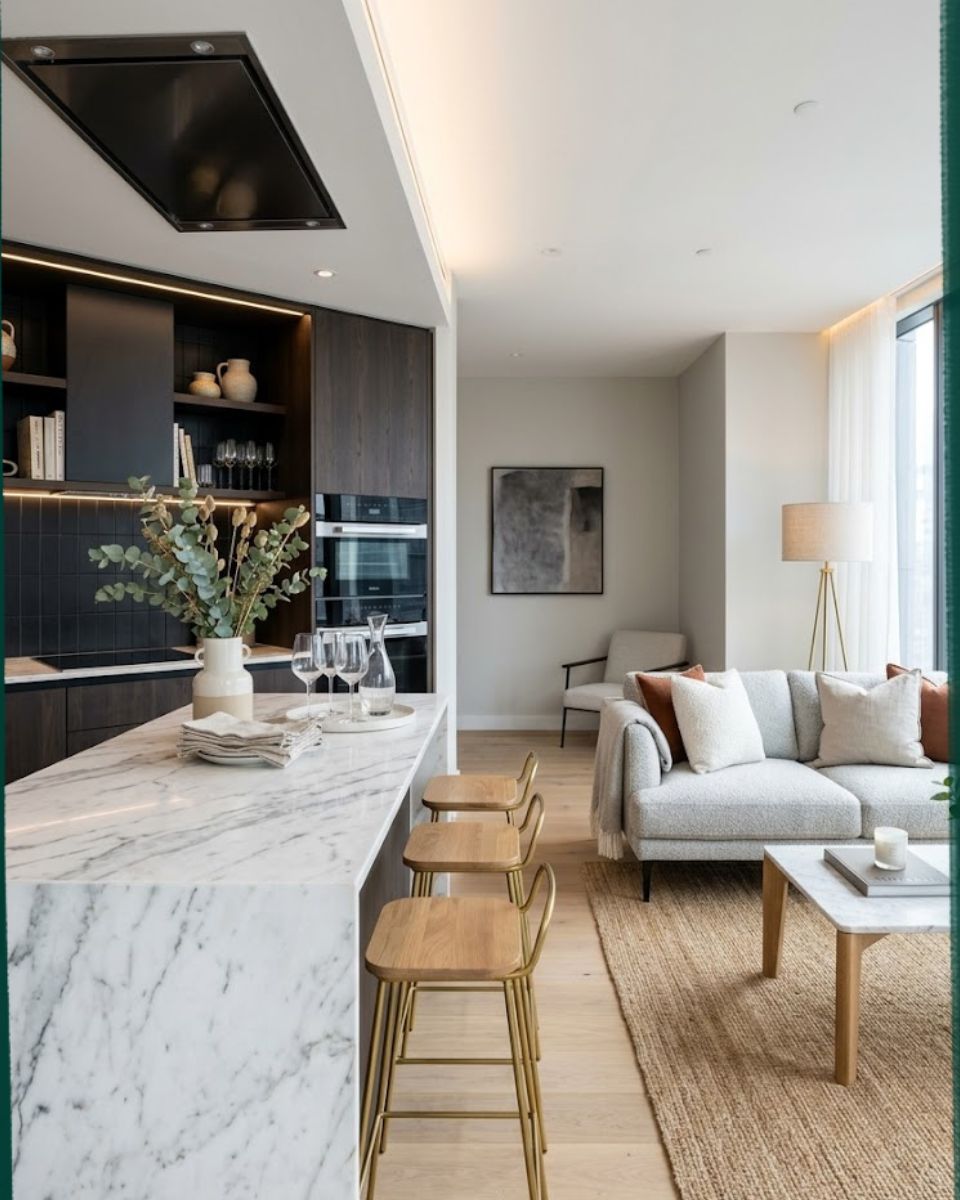
Off-season vacancy (typically November–February for Tybee Island and similar markets) allows rodent populations to establish in conditions that are nearly ideal for them — climate-controlled or moderate-temperature interiors, no human disturbance, abundant nesting material from upholstery and bedding, and often residual food sources from the prior season. Established off-season populations are typically discovered in early-season inspection (February–March) when properties prepare for peak rental season.
The off-season pattern is consistent enough to plan for. Properties without active monitoring during off-season typically face one of two scenarios: discovery of established population at the season opening (requiring substantial treatment before guests arrive), or no established population that season but recurring risk year over year. Properties with quarterly off-season monitoring catch establishment early, before populations expand.
Vacation rental turnover creates specific rodent-management challenges. Weekly guest turnover during peak season means constant food waste, packaging accumulation, and unfamiliarity with property-specific pest-prevention details (closing doors quickly, storing pantry items, sealing trash). Cleaning crews focus on cleanliness and turnover speed rather than pest monitoring. Property managers handling multiple rentals face scheduling complexity that limits attention to any single property.
Effective vacation rental rodent programs work around these constraints rather than against them. Treatment scheduled during turnover windows (typically 4–8 hour windows between guest checkout and next check-in) avoids guest exposure to treatment work. Documentation focused on property managers and cleaning crews (rather than guests) handles communication. Quarterly inspection rather than monthly reduces operational overhead.
Tybee Island has the heaviest concentration of vacation rentals in the Savannah market and faces the most acute rodent considerations. Marsh-edge Norway rat pressure across most of the island. Elevated beach cottage construction with substantial vented under-house spaces requiring exclusion attention. Salt-air conditions affecting material durability. Vacation rental turnover patterns creating food-waste cycles that sustain populations.
Tybee programs typically combine quarterly inspection (timed to season transitions), exterior station maintenance, under-house exclusion sealing with marine-grade materials, and rapid response protocols for any active sighting during occupancy. Pricing for ongoing programs runs $400–$700 per quarter for typical single-property scope; portfolio programs across multiple properties have negotiated rates.
Historic District B&Bs and short-term rentals face Tybee-distinct considerations. The properties typically have restoration-friendly requirements (Historic District designation), older housing stock with more entry-point vulnerabilities, downtown-corridor Norway rat pressure, and tree-canopy roof rat pressure. The rodent profile is essentially the same as full-time-residence historic homes plus the vacation rental constraints layered on top.
Programs for Historic District short-term rentals use restoration-friendly exclusion techniques (copper mesh, lime mortar, hidden hardware cloth) combined with vacation rental scheduling and documentation. Higher cost than equivalent Tybee programs because restoration-friendly materials cost more; comparable value because the property values being protected are typically higher.
The most effective protection against rodent review damage is preventing the rodent encounter in the first place. Active monitoring during off-season catches population establishment before guest arrival. Exclusion sealing prevents the entry that allows establishment. Quarterly inspection identifies issues during scheduled visits rather than during guest reports.
When a rodent encounter does happen during guest occupancy, rapid response matters substantially. Same-day removal and exclusion at the entry point used by the rodent. Direct communication with the guest acknowledging the issue and explaining the response (rather than dismissing or denying). Documentation suitable for review response if the guest later posts about the issue. Most negative review impact comes from how the host handles the situation rather than the situation itself; transparent rapid response often preserves the review relationship.
Short-term rental insurance policies vary widely on pest-related coverage. Some include rodent-related guest claims as part of broader liability coverage; others exclude pest issues entirely. Policies covering business operations (not just standard homeowners) are more likely to include pest-related claims than standard policies on properties used for short-term rental.
Document your prevention program either way. Records of professional rodent treatment, monitoring inspections, and exclusion work support insurance claims when issues occur and demonstrate due diligence in case of guest disputes. The documentation cost is minimal; the protective value can be substantial when issues arise.
Standard short-term rental rodent programs in Savannah typically include: quarterly property inspection with written report, exterior bait station maintenance (for properties needing exterior pressure management), priority dispatch for active sightings reported by guests or cleaning crews, documentation suitable for insurance and listing-management purposes, and coordination with property management or cleaning service scheduling.
Cost varies by property type and location. Tybee Island standard programs: $400–$700 per quarter. Historic District standard programs: $500–$900 per quarter (higher because of restoration-friendly material costs). Multi-property portfolio programs: negotiated rates typically 10–20% below per-property pricing.
Same-day inspection, locally owned, 90-day exclusion warranty across Chatham, Effingham, Bryan, and Liberty Counties.
📞 Call (912) 305-0115Related blog posts: prevention tips · ultimate 2026 guide · historic-proofing techniques.
Related services: Airbnb rental services · property management programs · rodent exclusion.
Trusted Coastal Georgia rodent specialists since 2023. Same-day inspection and quote — no charge.
📞 Call (912) 305-0115