βœ“ Licensedβœ“ Insuredβœ“ Locally Ownedβœ“ Open 9AM–9PM Β· 7 Days
Prevention guide Β· Practical steps

Best Rodent Prevention Tips for Savannah Property Owners

Prevention is meaningfully cheaper than treatment, and most rodent issues are preventable with consistent attention to a handful of key areas. Here’s what actually works in Savannah’s specific conditions β€” and what doesn’t.

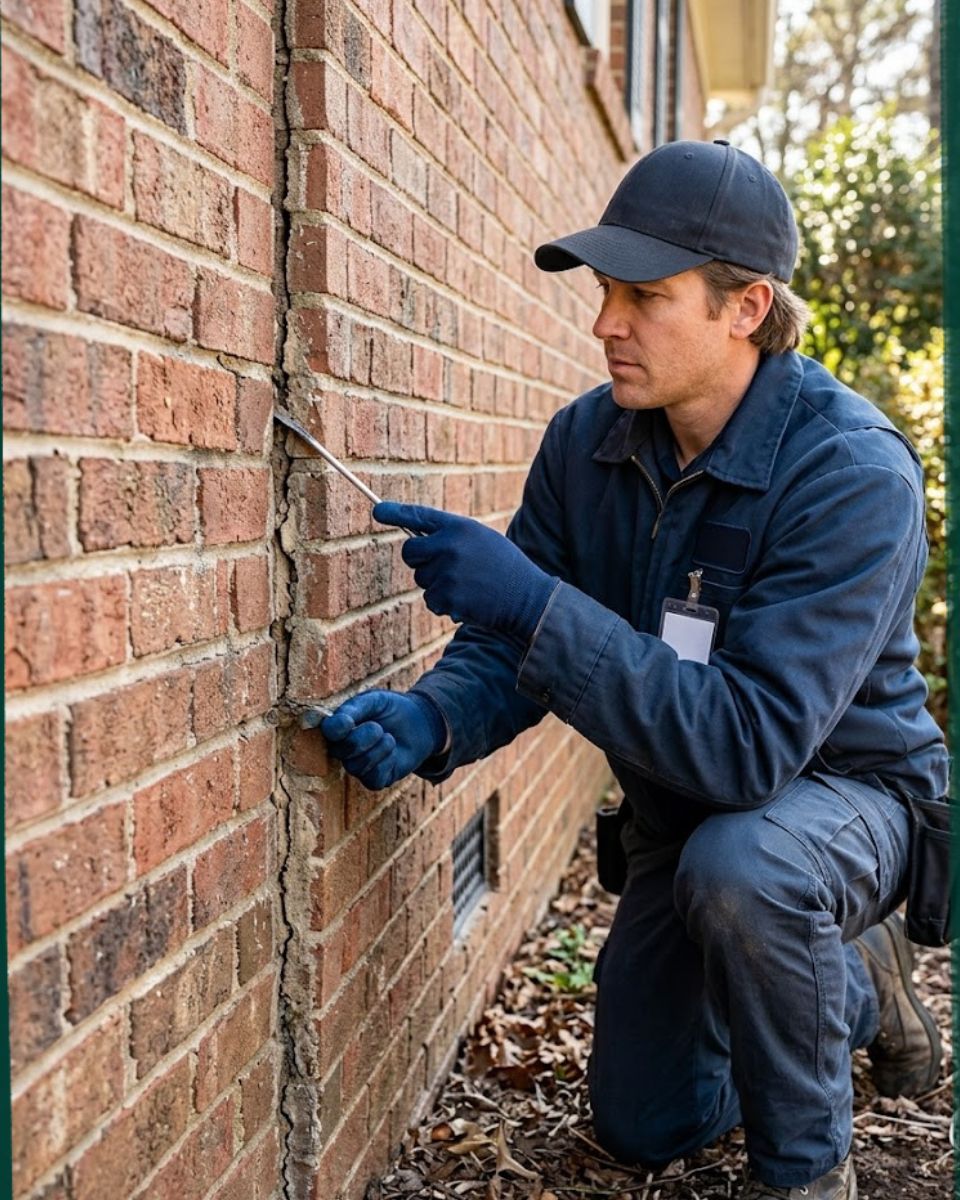
Technician sealing exterior wall β€” rodent prevention tips for Savannah property owners

Exclusion β€” the single most important prevention

Physical exclusion (sealing entry points) is by far the most effective rodent prevention. Done thoroughly, exclusion keeps rodents out indefinitely. Done partially, rodents find the gaps. The Savannah-specific consideration: humidity and age compound the entry-point problem on older homes, so exclusion that worked five years ago may have new gaps today.

The key entry-point categories to address: roofline (soffit returns, gable vents, ridge vent flashing, dormer trim), foundation (sill plates, brick-pier gaps, utility penetrations), interior penetrations (plumbing and electrical entries through floors and walls), and weather-tight openings (door sweeps, window screens, dryer vent caps).

Hardware cloth (1/4 inch mesh, galvanized for interior, stainless or marine-grade for exterior in Coastal Georgia) is the standard material for most exclusion. Copper mesh for masonry gaps. Color-matched sealant for visible exterior surfaces. Spray foam in concealed locations only (it doesn’t stop rodents alone but supports other sealing).
Food source reduction β€” secondary but real

Reducing food sources won’t eliminate rodent pressure (rodents will travel for food), but it reduces the attractiveness of your property and reduces the rate at which populations establish once they gain access. Pet food stored in sealed metal or hard-plastic containers. Bird feeders cleaned daily or removed during peak rodent season. Fruit-tree windfall picked up promptly. Compost in sealed bins, not open piles. Garbage in tight-lid bins, not loose bags.

Restaurant- and food-service-adjacent residential properties face exterior food pressure they can’t individually control. The neighbor’s grease bin and the corner restaurant’s dumpster sustain populations that pressure your property regardless of your own food management. Exclusion matters more for these properties than food source reduction.

Indoor food storage matters meaningfully for mice. Cereals, pasta, flour, and similar staples in sealed glass or hard-plastic containers (not just original packaging, which mice chew through easily). Pet food in the same. This won’t prevent mouse entry but reduces the rate at which an entering mouse establishes a sustained population.

Harborage reduction β€” the third prevention layer

Reducing harborage (places rodents can hide and nest) supports both exclusion and food source reduction. Trim branches that overhang or touch the roof (24 inches of clearance minimum, ideally more). Clear ivy and dense ground cover from foundation walls. Move wood piles away from the house. Clear stored items from crawl spaces and garage corners. Eliminate accumulated debris from yard edges.

Landscaping choices matter on a longer timeline. Dense ground cover (ivy, pachysandra, low juniper) provides ongoing rodent harborage; sparse mulch or open beds don’t. Mature pecan and oak trees provide canopy access; replacing them isn’t practical, but pruning to maintain roof clearance is.

Interior harborage matters too. Stored items in attics and crawl spaces create nesting opportunities; cleared spaces don’t. Garage corners with seasonal storage are common rodent harborage; clearer organization reduces it. None of this prevents rodent entry alone, but it reduces population establishment after entry.

Monitoring β€” the prevention you do continuously

Monitoring catches new rodent activity early when it’s cheaper and easier to address. Quarterly visual inspection of attic, crawl space, garage, and exterior perimeter takes 30–60 minutes per quarter and identifies most new activity within weeks of establishment. Snap traps placed in low-traffic interior locations (basement corner, garage, attic) act as ongoing detection β€” caught rodents are recent activity that warrants response.

Exterior bait station programs serve as monitoring plus active reduction for properties with chronic pressure. Stations checked monthly show activity through bait consumption and direct evidence; activity in stations indicates pressure that may also be reaching the building envelope.

Smell and sound monitoring is the most accessible form. Persistent ammonia or musk in a specific area, scratching at dusk or dawn, or fresh droppings in any location warrant inspection. Most homeowners catch rodent activity through one of these passive monitoring cues rather than active inspection.

Special considerations for landlords and rental properties

Rental properties face specific prevention challenges that owner-occupied homes don’t. Tenant turnover creates inconsistent food source and waste management. Tenant tolerance for rodent issues varies β€” some tenants report immediately, others tolerate visible activity for months. Tenant compliance with prevention measures (sealing trash, reporting sightings) varies.

The prevention approach for rental properties: thorough exclusion at the building level (controlled by the landlord, not dependent on tenant cooperation), quarterly inspection during tenant turnover or scheduled maintenance visits, written rodent-prevention guidance in the lease and turnover documentation, and rapid response to any tenant-reported activity.

Multi-unit buildings benefit from building-wide programs rather than unit-by-unit treatment. Rodents move through shared walls, plumbing chases, and common areas; treating one unit while neighboring units have active populations rarely solves the problem.

Special considerations for vacation rentals

Vacation rentals (Tybee Island, Historic District B&Bs, beach cottages) face different prevention challenges. Guest turnover every few days produces concentrated food waste and unfamiliarity with the property’s pest-prevention details (closing doors quickly, storing pantry items correctly, etc.). Off-season vacancy allows rodent populations to establish in quiet undisturbed conditions.

Vacation rental prevention typically uses quarterly monitoring (with timing aligned to season transitions) rather than annual treatment. Pre-season inspection in February or March prepares properties for peak rental season. Off-season inspection in November addresses any establishment during occupancy.

Property managers handling multiple vacation rentals benefit from portfolio-wide programs β€” coordinated quarterly inspection, consolidated documentation, and consistent treatment standards across properties.

What doesn’t work β€” common myths

Ultrasonic repellers don’t work β€” multiple peer-reviewed studies show no significant effect on rodent populations from these devices. Save the money for actual exclusion materials.

Peppermint oil and other essential oil repellents have weak short-term effects and no durable effect. They don’t replace physical exclusion.

Cats provide some rodent pressure reduction but don’t eliminate populations β€” most outdoor cats catch a small fraction of the rodents on a property, and many properties with cats still have substantial rodent populations.

Mothballs are not appropriate rodent repellents and create health hazards from naphthalene exposure. Don’t use them indoors for rodent prevention.

Need help with rodents in Savannah?

Same-day inspection, locally owned, 90-day exclusion warranty across Chatham, Effingham, Bryan, and Liberty Counties.

πŸ“ž Call (912) 305-0115

Related reading and services

Related blog posts: ultimate 2026 guide Β· seasonal patterns Β· short-term rental programs.

Related services: rodent exclusion Β· property management programs Β· Airbnb rental services.

From Forsyth Park to Tybee β€” We Cover All of Chatham

Trusted Coastal Georgia rodent specialists since 2023. Same-day inspection and quote β€” no charge.

πŸ“ž Call (912) 305-0115
πŸ“ž Call (912) 305-0115 β€” Same-Day Service