✓ Licensed✓ Insured✓ Locally Owned✓ Open 9AM–9PM · 7 Days
Climate guide · Year-round pressure

How Savannah’s Climate Attracts Rats & Mice (and How to Protect Your Home)

Savannah’s climate is genuinely different from most U.S. rodent markets. Year-round mild humidity, ecology shaped by tidal marshes and live-oak canopy, and a coastal subtropical pattern all combine into rodent pressure conditions that don’t pause for winter.

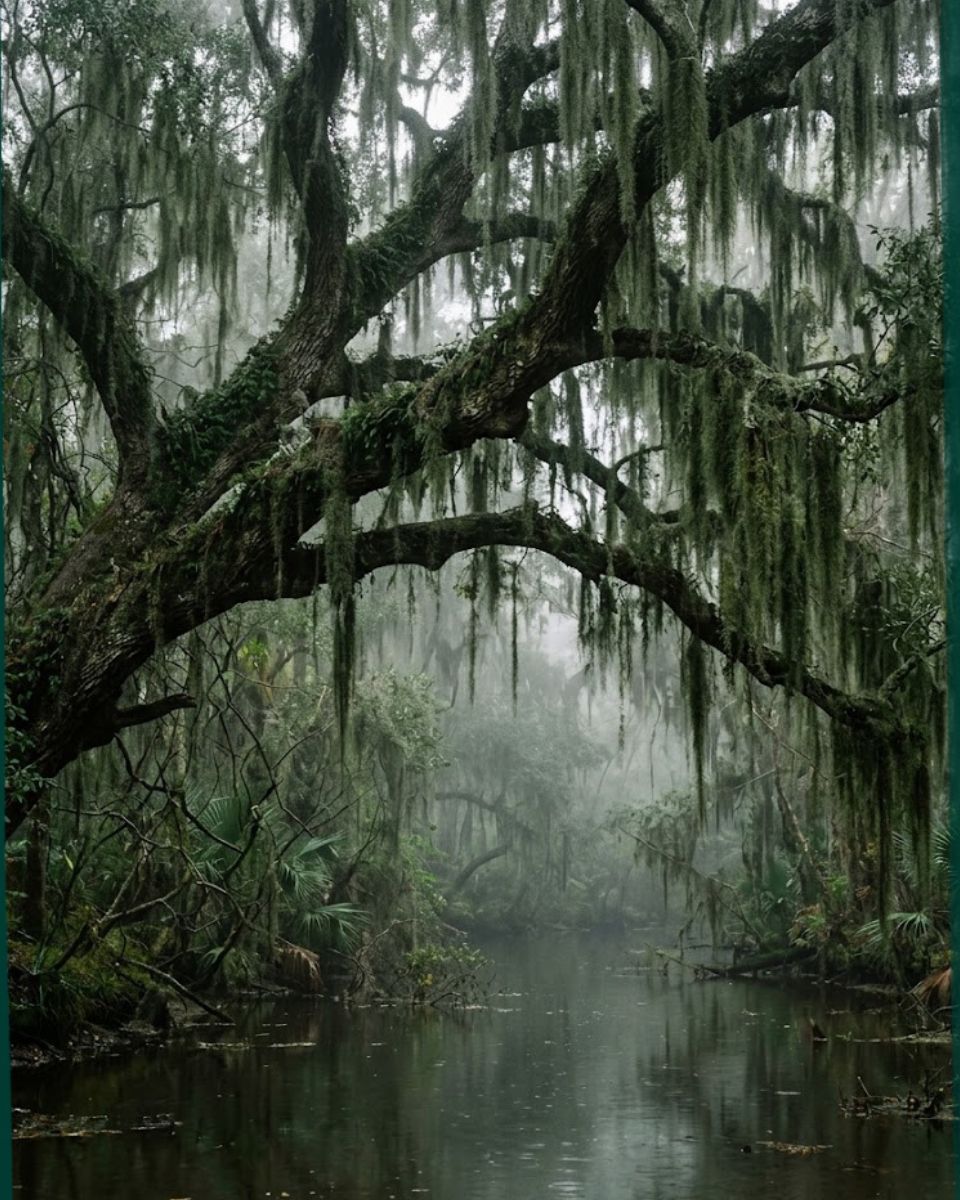
Spanish-moss-draped live oaks in Savannah humidity — climate that attracts rats and mice

Why Savannah’s climate is different

Most U.S. rodent-control discussion assumes a temperate continental climate with sharp winter cold that drives concentrated indoor invasion. Savannah’s climate is humid subtropical (Köppen classification Cfa) — long hot humid summers, mild winters with rare freezes, and substantial year-round precipitation. Winter low temperatures in Savannah average 40°F overnight and 60°F during the day; killing freezes occur 1–3 times per winter typically and rarely last more than a day or two.

For rodents, this means survival pressure from cold is much lower than in northern markets. Norway rats and house mice survive Savannah winters in outdoor habitats without difficulty; roof rats expand their year-round range slightly during cold snaps but don’t face the survival-driven indoor migration that defines northern winter rodent patterns. The result is continuous moderate-to-heavy rodent pressure year-round rather than the seasonal peaks-and-valleys pattern of northern markets.

The humidity factor

Savannah’s year-round humidity (typically 60–80% relative humidity outdoors, often higher in concealed spaces) affects rodent populations in several ways. First, it supports rodent water needs — rodents need fluid intake daily, and humid environments reduce the rate at which they need to find liquid water. Second, it slows the breakdown of rodent waste and food sources, sustaining attractive conditions in concealed spaces for longer. Third, it accelerates the degradation of building materials, opening new rodent entry points faster than drier climates.

The humidity also affects damage profiles. Dropping decomposition is faster in humid conditions, which means the off-gassing of ammonia and pathogen exposure intensifies. Dead-rodent decomposition is more aggressive, with peak smell intensity higher than in dry climates. Wood damage from sustained rodent activity compounds with humidity-related deterioration. None of this is theoretical — it’s why Savannah properties typically need more aggressive cleanup and remediation work than equivalent properties in drier climates.
The vegetation factor — live oaks, pecans, magnolias

Savannah’s defining vegetation features create specific rodent habitat. Live oaks (Quercus virginiana) grow to massive size with broad horizontal canopies that connect across yards and streets, creating overhead travel routes for roof rats. The acorn drop in fall provides food that sustains population expansion. Pecan trees similarly drop food (pecans plus secondary fall) that supports rodent populations year-round in older established neighborhoods. Magnolias don’t drop food but provide canopy harborage.

The neighborhood-level effect: residential areas with mature live-oak and pecan canopy (Ardsley Park, Gordonston, Parkside, Victorian District) face heavier continuous roof-rat pressure than equivalent neighborhoods elsewhere. The pressure isn’t individual-property-controllable — it comes from the canopy network that spans across many properties simultaneously. Individual property exclusion blocks entry but doesn’t reduce the neighborhood-wide population.

The marsh and tidal ecosystem factor

Coastal Georgia’s tidal marsh ecosystem supports Norway rat populations along essentially every marsh-edge property. Norway rats are strong swimmers and adapt readily to marsh vegetation, where they nest in the higher ground above tidal influence and forage outward to adjacent uplands. Marsh-edge properties face continuous Norway rat pressure that doesn’t pause seasonally.

The marsh ecosystem affects more than just immediately-marsh-adjacent properties. Tidal corridors extend Norway rat populations into neighborhoods through stormwater drainage, sewer connections, and ground-level travel routes that allow population movement well inland from the visible marsh edges. Properties several blocks from any visible marsh sometimes face Norway rat pressure originating from the broader marsh ecosystem.

The port and downtown factor

Savannah’s port has supported Norway rat populations for nearly 300 years — these are some of the oldest established commensal Norway rat populations in the southeastern U.S. The downtown sewer system carries those populations between blocks, extending the port-corridor pressure throughout the historic core and into surrounding neighborhoods. The continuous food sources from restaurant rows, port-area food handling, and tourist food waste sustain population densities that don’t exist in non-port commercial environments.

The combined effect: properties in or adjacent to downtown, the port corridor, and restaurant-dense neighborhoods face Norway rat pressure that’s genuinely heavier than most U.S. cities at any time of year. The pressure is the broader ecosystem dynamic; individual property choices reduce attractiveness but don’t eliminate the exposure.

What this means for protecting your home

Savannah’s climate and ecology mean rodent prevention has to be year-round rather than seasonal. Exclusion that works in October needs to still be working in March because the pressure doesn’t pause. Materials need to handle the humidity (marine-grade hardware for exterior; copper mesh for masonry to avoid corrosion). Properties with neighborhood-level pressure (canopy-heavy or marsh-edge) typically need more aggressive prevention than properties in more isolated configurations.

Ongoing monitoring is more valuable in Savannah than in seasonal markets because new pressure arrives continuously. Quarterly inspection during peak season (October–February for roof rats) catches new activity early. Exterior bait station programs handle continuous corridor or marsh pressure that exclusion alone can’t reduce.

The hurricane and tropical-storm factor

Atlantic hurricane season (June–November, peak August–October) adds an additional climate factor specific to Savannah. Direct storm impacts displace rodent populations from damaged habitats, creating short-term pressure spikes in nearby properties. Storm-related building damage (roof damage, fence damage, structural exposure) creates new entry points that weren’t present before. Properties that complete pre-season exclusion work typically face less post-storm rodent activity than properties with pre-existing vulnerabilities the storm exposes.

The climate change consideration: hurricane intensity and frequency are increasing across the Atlantic basin over time. Savannah’s exposure to this trend means storm-related rodent disruption is likely to become a more frequent factor in coming years. Pre-season exclusion planning becomes correspondingly more valuable.

Need help with rodents in Savannah?

Same-day inspection, locally owned, 90-day exclusion warranty across Chatham, Effingham, Bryan, and Liberty Counties.

📞 Call (912) 305-0115

Related reading and services

Related blog posts: seasonal patterns · ultimate 2026 guide · prevention tips.

Related services: residential programs · exclusion sealing · bait station programs.

From Forsyth Park to Tybee — We Cover All of Chatham

Trusted Coastal Georgia rodent specialists since 2023. Same-day inspection and quote — no charge.

📞 Call (912) 305-0115
📞 Call (912) 305-0115 — Same-Day Service