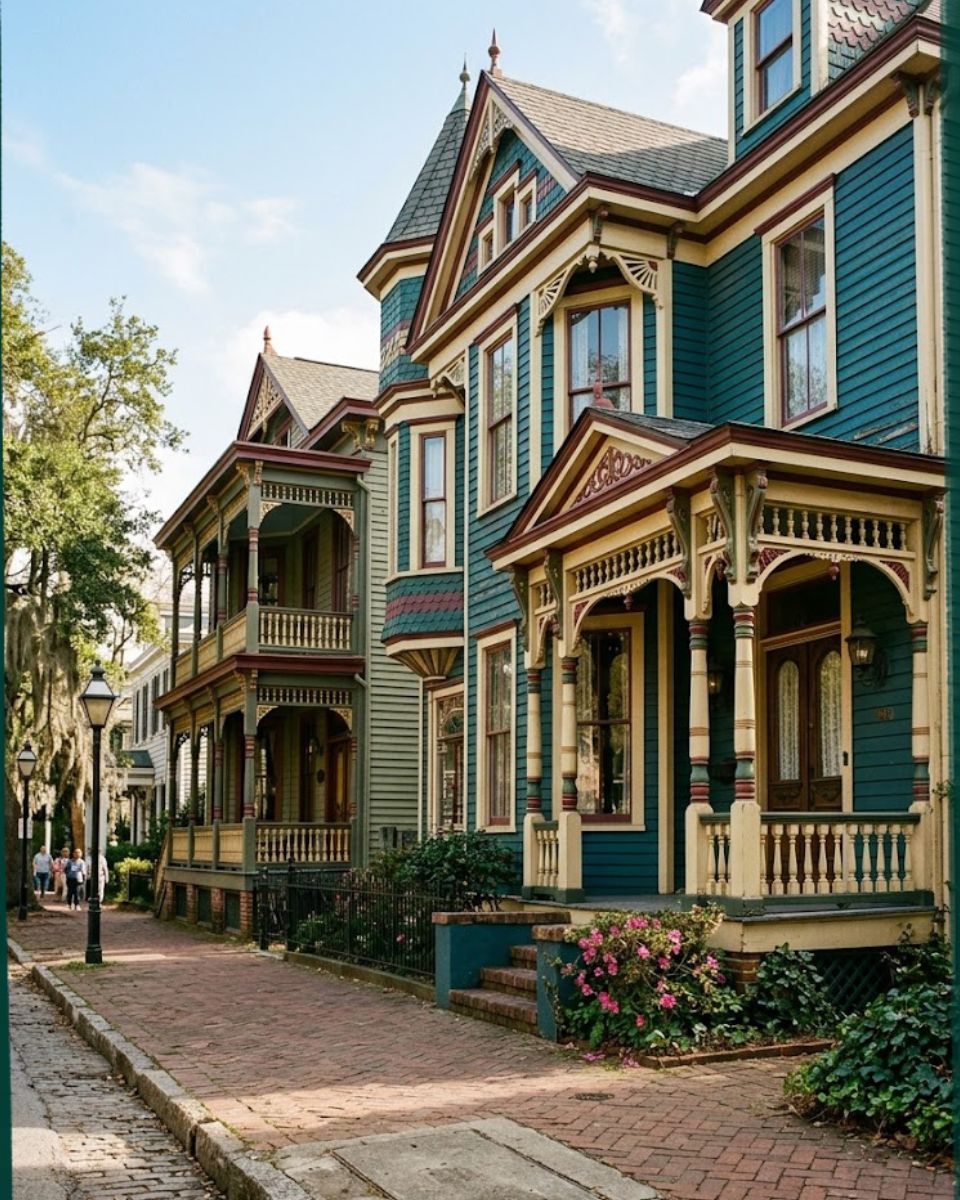
Can you work on shared-wall townhouses without disturbing my neighbor?
Yes — most exclusion work happens on your unit’s exterior envelope and interior penetrations. Shared-wall work is limited and we coordinate with neighbors when it’s needed. Multi-unit Victorian District buildings sometimes benefit from building-wide programs where all owners coordinate — see our property management rodent control service for that approach.
My Victorian-era home has knob-and-tube wiring — does that matter for rodent work?
Yes — knob-and-tube remnants create specific mouse highways through plates and joists. We document K&T-related entry points during inspection and seal what we can. Full K&T replacement is electrical-trade work, not pest-control work, but the rodent vulnerabilities matter.
Will exclusion work damage my original plaster walls?
No — we don’t drill into plaster walls for exclusion. Interior sealing works through baseboards, existing penetrations, or under-cabinet voids. Plaster work that does need to happen we coordinate with a restoration contractor.
Are there permit issues for exterior work in the Victorian District?
Most rodent exclusion stays below thresholds requiring Historic Preservation Board approval. Larger work may. We follow Mid-City Historic District work standards regardless of permit threshold — restoration-friendly materials, hidden installation.
Is mouse pressure worse in Victorian District homes?
Often yes — the older housing has more unsealed sill plates, more knob-and-tube remnants, and more century-old penetrations than newer construction. Mouse-proofing scope is typically more comprehensive (and therefore more expensive) on Victorian District homes.
How fast can you get to the Victorian District?
Typical 10–15 minutes from our office on Gaston Street — the Victorian District is among our closest service areas. Same-day dispatch readily available.
Do you serve B&B and short-term rental conversions?
Yes — many Victorian District buildings operate as B&Bs or short-term rentals. Rental-cycle programs (see Airbnb rental property services) combined with restoration-friendly exclusion handle these properties effectively.
What about pricing on Victorian District homes vs. modern construction?
Roughly 25–40% higher than equivalent modern construction because of restoration-friendly materials and more time-intensive technique. A full whole-home Victorian District rodent program typically runs $1,200–$2,500.