βœ“ Licensedβœ“ Insuredβœ“ Locally Ownedβœ“ Open 9AM–9PM Β· 7 Days
Historic waterfront Β· Marsh edge

Rodent Control in Isle of Hope, Savannah, GA

Isle of Hope is a historic waterfront community south of Savannah with a rodent profile shaped by marsh exposure on multiple sides plus the same live-oak canopy that drives roof-rat pressure across Coastal Georgia. Properties here typically face both species.

Same-day Β· Open 9AM–9PM Local technicians 90-day exclusion warranty
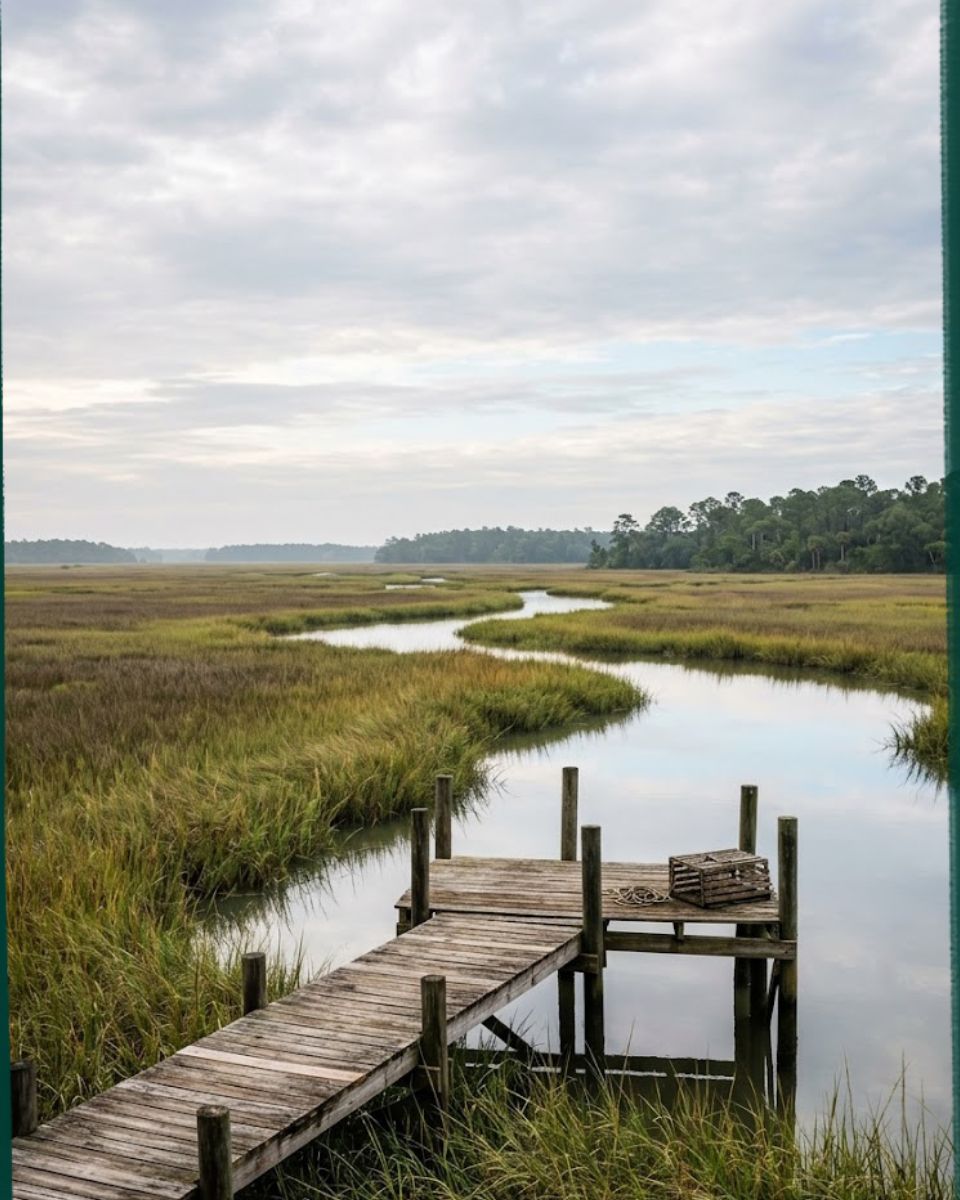
Savannah salt marsh and coastal lowland β€” rodent control in Isle of Hope and Coffee Bluff

What makes this neighborhood unique for rodents

Isle of Hope sits on a tidal peninsula between Skidaway Narrows and the Wilmington River, with marsh exposure across most of the community. That marsh interface is the defining rodent factor β€” Norway rat populations move through the tidal corridors and pressure waterfront and near-waterfront properties continuously. The community’s historic character (residential settlement going back to the 1700s) means the housing stock spans 200+ years.

The live-oak canopy across the older parts of the community adds roof-rat pressure on top of the marsh-borne Norway rat pressure. Most properties on Isle of Hope face both vectors simultaneously, which makes whole-property rodent programs the appropriate scope rather than single-species treatment.

Housing stock and what it means for treatment

Isle of Hope housing stock includes 19th-century cottages, early-20th-century summer homes (the community was developed as a Savannah summer destination), mid-century residences, and modern infill. Foundation types vary substantially: brick-pier on the historic homes, perimeter masonry on mid-century builds, slab and modern engineered on newer construction.

The waterfront homes typically have additional considerations β€” elevated construction in some cases, vented under-house spaces, and salt-air corrosion that limits hardware material choices. Exterior work on Isle of Hope often uses stainless or marine-grade hardware where standard galvanized would degrade.

Which species you’re likely seeing

Norway rats are heavy on the waterfront and tidal-edge properties. Marsh-resident populations cycle through these properties continuously. Exterior bait station programs are effective and commonly used.

Roof rats appear across the older live-oak-canopy sections, particularly in the historic village area. Attic-focused work is the appropriate scope where roof rats are present.

House mice are common in the older cottages with original construction. Mouse-proofing of interior penetrations addresses these effectively.

Services we provide here

Every rodent service we offer is available across this neighborhood. The most-requested for this area:

See all 28 services β†’

Real Solutions for Savannah’s Year-Round Rodent Pressure

Isle of Hope rodent control β€” waterfront and historic-village properties, dual-species programs.

πŸ“ž Call (912) 305-0115

Frequently asked questions

Why does my waterfront home face so much rat pressure?

Marsh proximity. Tidal-edge properties face Norway rat populations that live in marsh vegetation and adjacent uplands. The pressure is continuous β€” populations cycle through every property along the waterfront. The fix is exterior bait station programs and aggressive ground-level exclusion rather than expecting the pressure to relent.

Do I face both roof rats and Norway rats on my Isle of Hope property?

Likely yes if you have any tree canopy and any marsh proximity β€” which describes most Isle of Hope properties. Whole-property programs that address both vectors are the appropriate scope; single-species treatment leaves half the problem unaddressed.

How fast can you reach Isle of Hope?

Typical 25–35 minutes from our office on Gaston Street. Same-day dispatch available across the community.

What materials do you use for salt-air exterior work?

Stainless or marine-grade hardware on exposed exterior fasteners and hardware cloth. Standard galvanized degrades faster in Coastal Georgia salt-air conditions; the marine-grade upgrade adds modest material cost and meaningful longevity.

Can you work on the historic homes in the village area?

Yes β€” we specialize in restoration-friendly exclusion for historic Coastal Georgia properties. The Isle of Hope village homes benefit from the same techniques we use in the Historic District β€” copper mesh, lime mortar, hidden installation.

Will I need ongoing service after initial treatment?

Often yes for waterfront properties β€” the continuous marsh pressure means ongoing monitoring catches new pressure before it becomes interior infestation. Quarterly exterior service is common for waterfront homes; interior-of-community properties sometimes get by without ongoing service after thorough exclusion.

Do you serve commercial properties on Isle of Hope?

Yes β€” Isle of Hope’s small commercial and restaurant operations get the same compliance-grade programs we provide downtown.

Is rodent work more expensive on waterfront properties?

Slightly β€” marine-grade materials cost more, and waterfront properties often need additional exterior scope. A typical waterfront Isle of Hope program runs 15–25% above a comparable interior-of-community property.
Neighboring areas

Adjacent service areas: The Landings, Burnside Island, Skidaway Island, Moon River.

From Forsyth Park to Tybee β€” We Cover All of Chatham

Trusted Coastal Georgia rodent specialists since 2023. Same-day inspection and quote β€” no charge.

πŸ“ž Call (912) 305-0115
πŸ“ž Call (912) 305-0115 β€” Same-Day Service