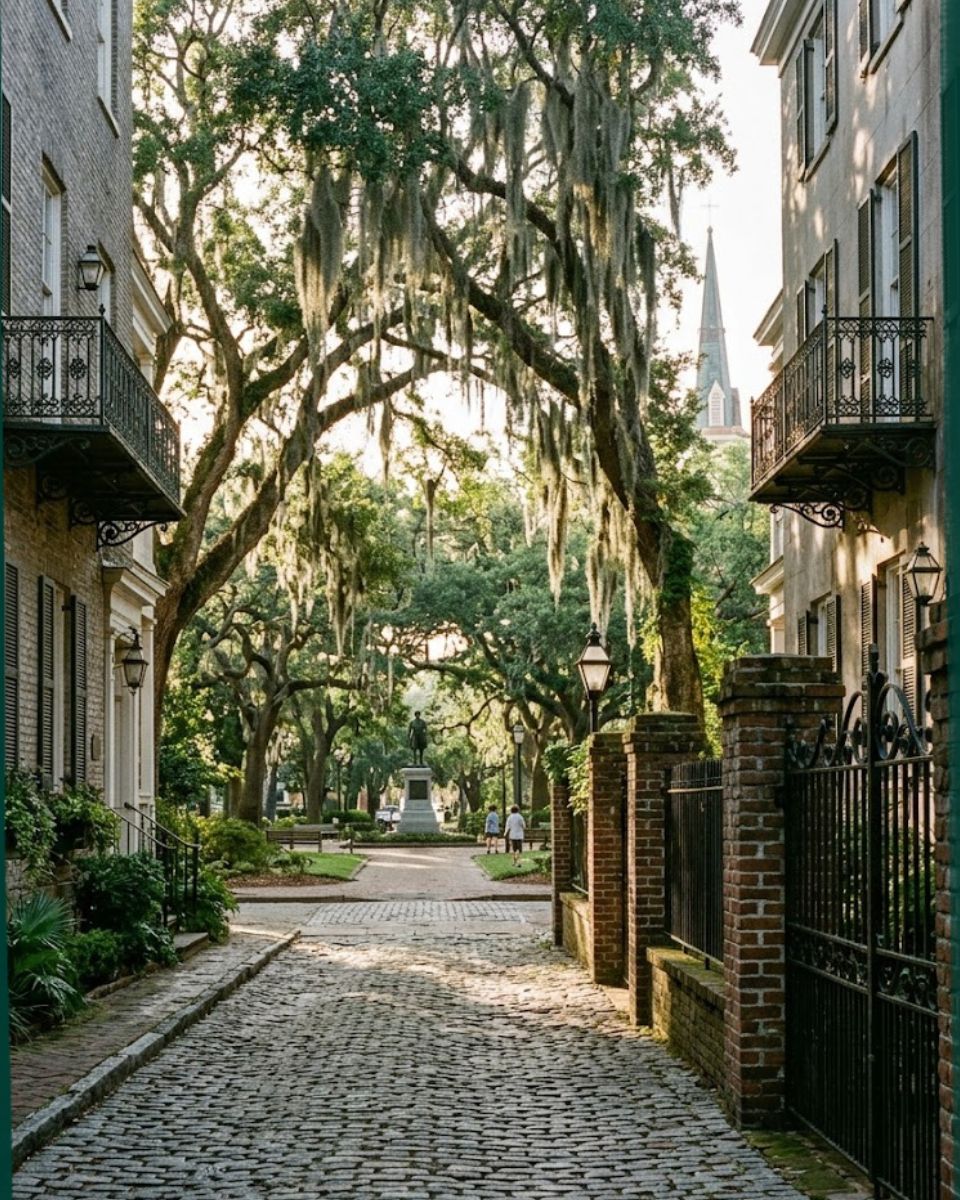
Are roof rats really that common in Gordonston?
Yes — the neighborhood is roof-rat heavy. The tree canopy makes virtually every house in the older sections accessible from the canopy network, which means roof rat pressure is essentially neighborhood-wide. If you live in Gordonston and you’ve never had attic-rat activity, you’re either unusually lucky or your home was thoroughly exclusion-sealed at some prior point.
How fast can you get to Gordonston?
Typical 15–20 minutes from our office on Gaston Street. Same-day dispatch available across the neighborhood.
Should I have my attic inspected even without symptoms?
Worth considering, particularly for older Gordonston homes that haven’t had recent rodent work. Inspection-only service runs $150–$250 and identifies any historic or current activity. Many Gordonston attic infestations have been running quietly for years before discovery.
Will rodent damage hurt my Gordonston home’s resale value?
Visible damage and odor will hurt at inspection time. Cleared and exclusion-sealed homes don’t carry meaningful resale impact — the work fades into the building. Pre-listing rodent inspection is recommended for older Gordonston homes about to go on the market; clean documentation supports the listing.
Are there HOA restrictions on exterior exclusion work in Gordonston?
Gordonston doesn’t have a full HOA but does have neighborhood-association guidelines on exterior appearance. Most rodent exclusion stays subtle enough to fall well within those guidelines — restoration-friendly materials, color-matched finishes, hidden installation.
Can the live-oak canopy be trimmed back?
Yes, by a certified arborist. Targeted branch trimming where specific branches overhang or touch a roof is the appropriate scope — full canopy reduction would damage the trees and harm the neighborhood character. We identify which branches are providing roof access during inspection; you hire arborist work separately.
How do I prevent recurrence after treatment?
Thorough roofline exclusion (the work we do) plus targeted branch trimming (arborist work) plus monitoring during peak season (October–February). Properties that complete all three rarely have recurring roof-rat issues. Properties that skip the canopy work face continued pressure on the sealed envelope; properties that skip the exclusion get re-entry.
Do you do work on the larger estate properties in Gordonston?
Yes — the estate properties typically need more extensive exclusion scope (multiple buildings, longer rooflines, more complex landscaping) but the techniques are the same. Quoted by property after inspection.