Midtown sits between the historic neighborhoods and the southside suburbs, with 1940s–1960s housing, mixed tree canopy, and commercial-corridor proximity along Habersham and DeRenne. The rodent profile is a blend — neither downtown-corridor intensity nor suburban quiet.

Midtown Savannah covers the area roughly between Victory Drive and DeRenne Avenue, spanning blocks east and west of the Habersham Street corridor. It’s the transition zone between the historic northern neighborhoods and the post-war southern suburbs, and the rodent pressure profile reflects that transition — moderate roof rat activity from the still-substantial tree canopy, occasional Norway rat pressure from commercial corridors, and meaningful seasonal mouse pressure in the older homes.
The defining geographic factors are three: the Habersham Street commercial strip with restaurants, convenience stores, and small food retail (Norway rat pressure source); the residential streets with mature live oaks and pecans planted during the 1950s landscaping boom (roof rat habitat); and the Habersham Village shopping area with concentrated dumpster and food-handling activity that pressures the surrounding residential blocks. Properties closer to the commercial corridors face heavier ground-level pressure than properties tucked into the residential interiors.
Midtown housing is predominantly 1940s through 1960s construction — post-war ranch homes, small Cape Cods, brick veneer single-stories, and some early-1960s split-levels. Most homes have perimeter masonry foundations rather than the brick-pier foundations of the historic neighborhoods, which means crawl-space access is more limited (and crawl-space rodent vulnerabilities are different).
Roof construction on Midtown homes typically has shorter eaves and simpler rooflines than the historic homes, which means fewer soffit-return entry points but also less concealment for any gaps that do exist. Gable vent screens, ridge vents, and HVAC penetrations are the primary roof-rat access points. Many Midtown homes have had roof replacements over the decades, and the quality of original flashing varies — older roofs sometimes have settled flashing creating rodent gaps.
Interior construction is typically modern enough (plaster or early drywall over wood framing) that mouse-sized entry points are fewer than in historic homes but still present at plumbing penetrations, sill plates, and utility entries.
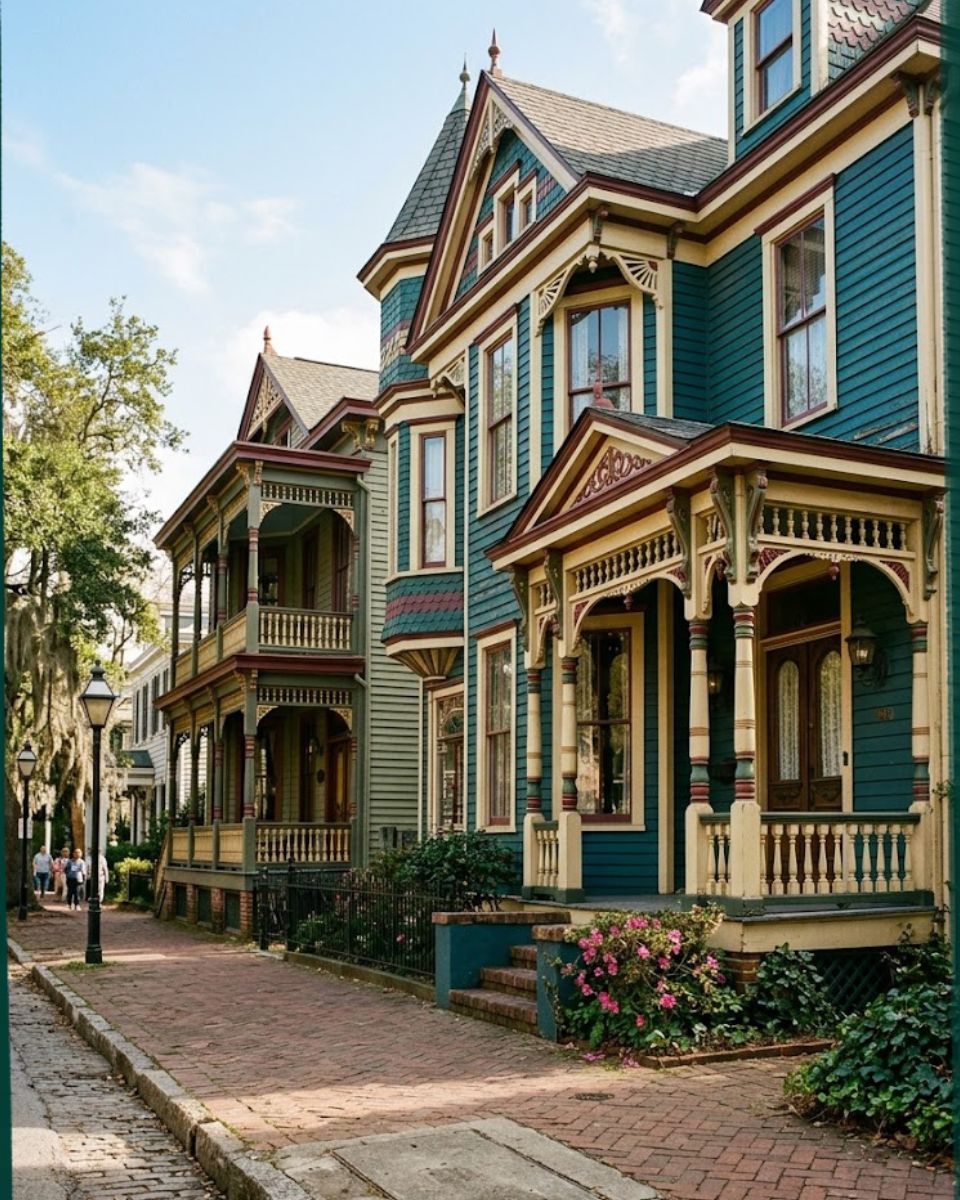
Roof rats are present across the residential interior of Midtown, particularly on streets with mature pecan and live-oak canopy. Attic activity is the most common scope of work in the neighborhood. Seasonal pressure (October–February) is consistent with the broader Savannah pattern.
Norway rats pressure properties within a couple blocks of Habersham Street, DeRenne Avenue, and the Habersham Village commercial area. These are typically ground-level issues — exterior burrows, crawl-space activity — rather than attic infestations.
House mice appear seasonally across the neighborhood. The 1940s–1960s housing has moderate mouse-sized vulnerabilities — typically more than newer construction, less than 19th-century homes. Mouse-proofing scope on a typical Midtown home is straightforward and effective.
Every rodent service we offer is available across this neighborhood. The most-requested for this area:
Midtown Savannah rodent control — mid-century housing, mixed canopy and commercial pressure, same-day dispatch.
📞 Call (912) 305-0115Less intense than downtown but still meaningful. Tree-canopy roof rat pressure is present across most of the residential interior. Norway rat pressure shows up near the commercial corridors. Mouse pressure is seasonal but consistent. Most Midtown homes need attention to all three vectors at some point.
Typical 15–25 minutes from our office on Gaston Street. Same-day dispatch available throughout the neighborhood.
Generally yes — Midtown housing is post-war construction without restoration-friendly requirements, which means standard materials and faster technique. Typical whole-home Midtown rodent program runs $700–$1,300 vs. $1,200–$2,500 in the historic neighborhoods.
If you live within 2–3 blocks of an active restaurant cluster, yes. The exterior pressure from restaurant dumpsters and grease bins sustains ground-level rat populations that pressure surrounding properties. Exterior exclusion and (sometimes) perimeter bait stations are appropriate for properties in that pressure zone.
DeRenne Avenue properties face elevated commercial-corridor pressure — restaurants, retail, automotive. Treatment scope on these properties typically includes more aggressive exterior work than purely-residential interior streets.
Yes — Midtown has substantial rental housing (long-term residential rentals, some short-term). Multi-unit and single-family rentals both get the same treatment quality; rental-specific programs see our property management and Airbnb services.
Generally no — same as elsewhere in Savannah, rodent damage is typically excluded as wear-and-tear. Consequential damage (electrical fire from chewed wiring) is sometimes covered. Worth a call to your carrier.
Standard scope: 3–4 weeks from initial inspection to verified clearance and exclusion completion. Heavy infestations or larger properties: 4–6 weeks. Standard residential timing for Savannah.
Adjacent service areas: Parkside, Baldwin Park, Kensington Park, Ardsley Park.
Trusted Coastal Georgia rodent specialists since 2023. Same-day inspection and quote — no charge.
📞 Call (912) 305-0115