βœ“ Licensedβœ“ Insuredβœ“ Locally Ownedβœ“ Open 9AM–9PM Β· 7 Days
1950s southside Β· Ranch & split-level

Rodent Control in Kensington Park, Savannah, GA

Kensington Park is a 1950s southside residential neighborhood with ranch and split-level homes on substantial lots, moderate tree canopy, and the rodent profile of a typical post-war Savannah suburb β€” primarily roof rats where canopy reaches, occasional mice seasonally.

Same-day Β· Open 9AM–9PM Local technicians 90-day exclusion warranty
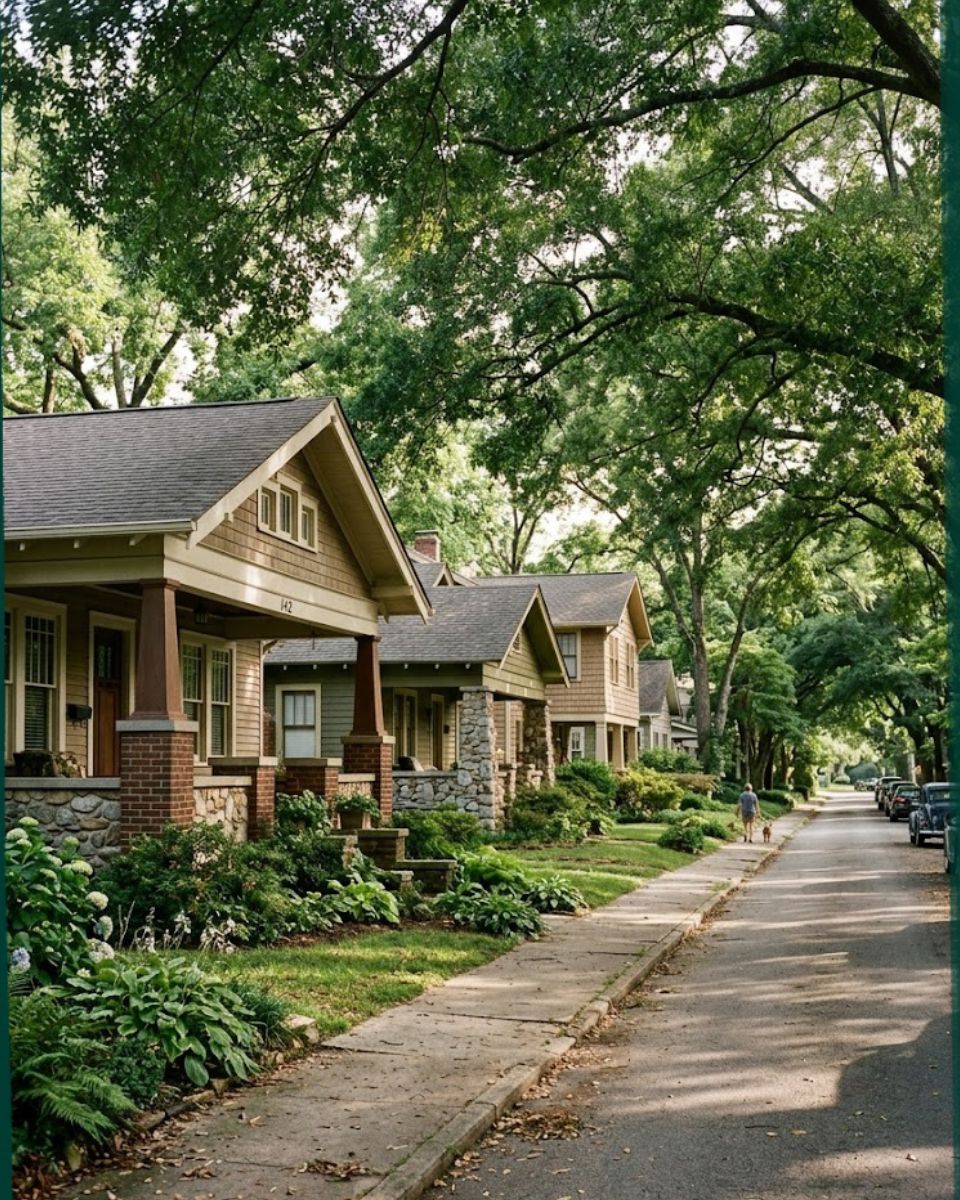
1920s Craftsman bungalows under live-oak canopy β€” rodent control in Ardsley Park Savannah GA

What makes this neighborhood unique for rodents

Kensington Park was developed in the 1950s as part of the post-war southward expansion of residential Savannah. The neighborhood’s defining features for rodent purposes are the substantial original landscaping (mature oaks, pecans, and magnolias planted during the original development), the typical 1950s housing construction (perimeter masonry foundations, simple rooflines, modest soffit overhangs), and the relative interior position away from major commercial corridors or marsh edges.

Rodent pressure is moderate β€” meaningfully lower than the historic neighborhoods, comparable to the other 1950s southside developments (Magnolia Park, Pine Gardens). Most rodent work here involves roof rats accessing attics through aging roofline gaps, with seasonal mouse pressure in the older homes.

Housing stock and what it means for treatment

Kensington Park housing is overwhelmingly 1950s construction β€” ranch homes, split-levels, modest Cape Cod variants. Brick veneer is the dominant exterior. Foundations are typically perimeter masonry or shallow crawl spaces. Attics are typically unfinished spaces accessible through ceiling hatches, with original blown-in or batt insulation.

Roofline construction on classic Kensington Park homes tends to be simple β€” straight-run gables, modest soffit overhangs, basic gable vents and ridge vents. Fewer features means fewer entry points than complex historic rooflines, but also less concealment for any gaps that do open with age. Roofline exclusion work on these homes is typically straightforward and quick.

Interior construction (drywall over wood framing on most homes, plaster on the older sections) limits mouse-sized vulnerabilities to penetrations and sill plates. Mouse-proofing scope is generally modest compared to historic-home work.
Which species you’re likely seeing

Roof rats are the primary species, driven by the mature tree canopy. Pressure is moderate β€” present across most of the neighborhood but not as intense as Ardsley Park or Gordonston. Attic-focused work is the standard scope when needed.

Norway rats are uncommon in Kensington Park’s interior. Properties near the commercial corridor edges see occasional ground-level activity.

House mice appear seasonally. The 1950s housing has moderate mouse-sized vulnerabilities β€” typically more than newer construction, less than historic homes. Standard mouse-proofing scope addresses them effectively.

Services we provide here

Every rodent service we offer is available across this neighborhood. The most-requested for this area:

See all 28 services β†’

Real Solutions for Savannah’s Year-Round Rodent Pressure

Kensington Park rodent control β€” 1950s southside housing, ranch and split-level construction, moderate pressure.

πŸ“ž Call (912) 305-0115

Frequently asked questions

Is rodent pressure lighter in Kensington Park than older neighborhoods?

Yes β€” meaningfully lighter than historic neighborhoods. Comparable to other 1950s southside developments. Most homes don’t have continuous rodent issues; they have occasional seasonal pressure that responds well to standard treatment.

How fast can you reach Kensington Park?

Typical 20–30 minutes from our office on Gaston Street.

What’s typical cost for a Kensington Park rodent program?

Standard whole-home: $700–$1,200. Slightly lower than historic-neighborhood equivalent because of simpler construction and lower pressure intensity.

Should I be concerned about rats here?

Worth being aware but not anxious. Most Kensington Park homes go years between rodent issues. When pressure does appear, it responds well to standard treatment. Quarterly attic checks during peak roof-rat season (October–February) catch any issues early.

Do you treat for raccoons or squirrels in attics?

Wildlife (raccoons, squirrels, possums, bats) is outside our scope β€” we focus on rodents. For wildlife issues we recommend a licensed wildlife control operator. We’re happy to refer you to a wildlife specialist if needed.

Will exclusion work damage my 1950s brick veneer?

No β€” exclusion on brick veneer construction is straightforward and non-damaging. We use mortar-color-matched sealant on visible exterior surfaces and standard hardware on vent and soffit work.

How long does a Kensington Park rodent program take?

Standard: 2–3 weeks from initial inspection to clearance. Slightly faster than historic-neighborhood work because the construction is simpler.

Do you handle the rental properties in this area?

Yes β€” Kensington Park has substantial long-term rental housing. Rental programs follow the standard treatment approach with appropriate documentation for landlord and tenant records.

Neighboring areas

Adjacent service areas: Baldwin Park, Magnolia Park, Pine Gardens, Windsor Forest.

From Forsyth Park to Tybee β€” We Cover All of Chatham

Trusted Coastal Georgia rodent specialists since 2023. Same-day inspection and quote β€” no charge.

πŸ“ž Call (912) 305-0115
πŸ“ž Call (912) 305-0115 β€” Same-Day Service