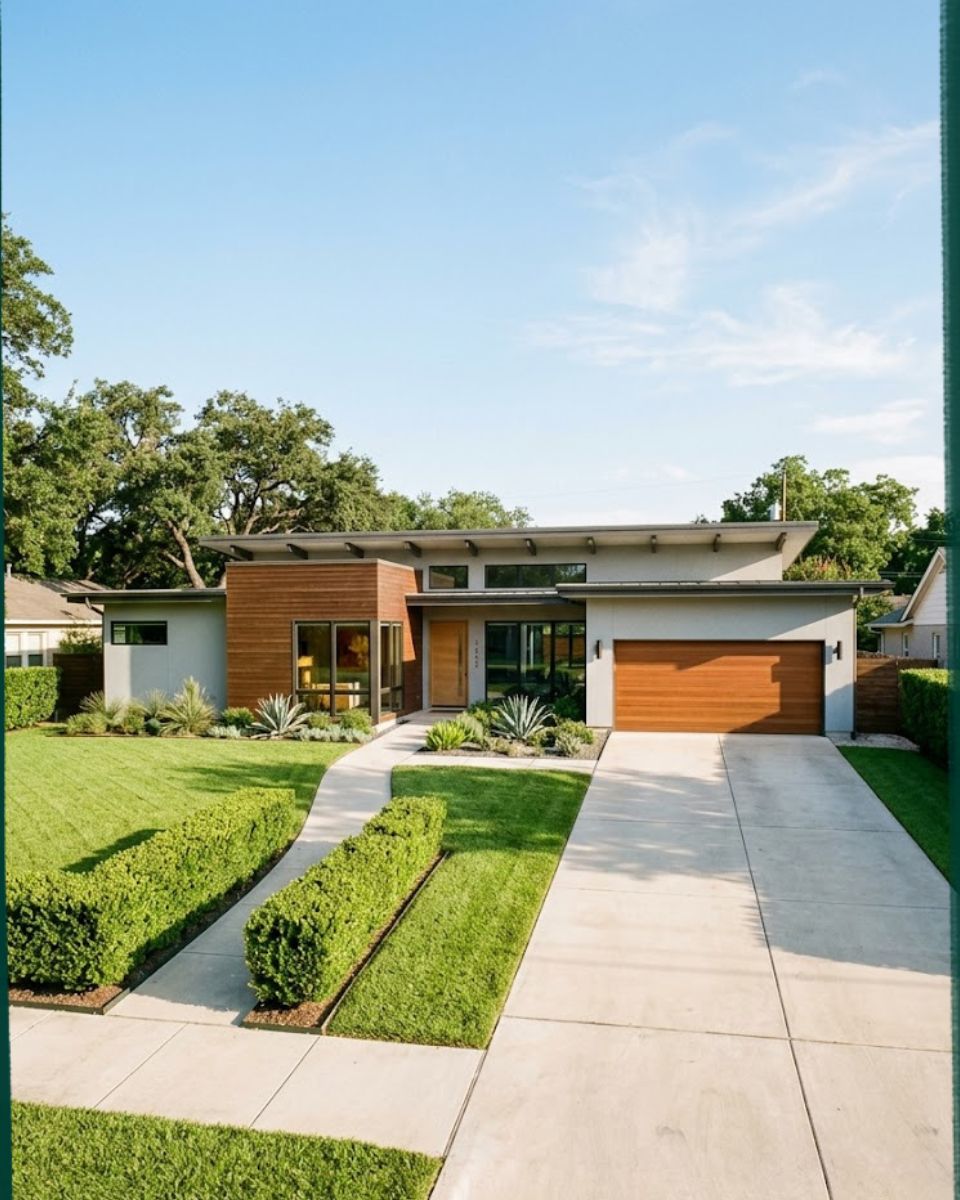
What does rodent control typically cost in Berkshire Woods?
Standard whole-home programs in Berkshire Woods typically run $700–$1,300, depending on house size, infestation level, and exclusion scope. Pricing includes inspection, trapping where active rodents are present, building-envelope exclusion sealing, follow-up verification at 10–14 days, and our 90-day exclusion warranty. We quote in writing before any work begins and we don’t inflate scope mid-project. Initial inspection within our service area is free of charge.
How fast can you reach Berkshire Woods?
Typical dispatch from our office on Gaston Street to Berkshire Woods is 20–30 minutes during normal traffic conditions. Same-day inspection slots are available across the area for active infestations and emergencies. Our hours are 9AM to 9PM, seven days a week, and the dispatch line answers directly rather than routing through a call center.
What species am I most likely to see in Berkshire Woods?
Roof rats are the most common species — the dense tree canopy across the neighborhood creates continuous overhead access to attics. Norway rats are rare. House mice appear seasonally in some homes. For most Berkshire Woods properties, the treatment approach is shaped primarily by which species is active. We confirm species during the initial inspection — droppings, gnaw marks, runways, and harborage all give us species-identification evidence before we set the treatment plan.
Is my 1960s–1980s home in Berkshire Woods more vulnerable than newer construction?
Generally yes — older housing has more rodent-sized entry points (sill plates, plumbing penetrations, original utility entries) and typically more weathered roofline gaps. The vulnerabilities are addressable; we’ve done exclusion work on every era of Savannah housing from antebellum construction to recent new builds. The technique and materials change with the building era, but the result — a rodent-resistant building envelope — is achievable on any property.
Are your treatments safe with pets and children in the home?
Yes. Interior treatment defaults to mechanical traps and covered station traps in homes with pets or young children. Rodenticides are deployed only outdoors in tamper-resistant exterior stations when warranted, and even those we’ll skip if you’d prefer. Every product on the property is explained before deployment and we provide product information on request.
Will exclusion work be visible on my Berkshire Woods home from the street?
We work to keep exclusion subtle — hardware cloth installed behind original soffit returns where possible, color-matched sealant on visible exterior surfaces, copper mesh in masonry gaps that oxidizes to match aged brick. On most properties, the work isn’t visible from the curb after completion. On historic homes specifically, we use restoration-friendly techniques throughout (see our historic home rodent control service).
Do I need to be home during the work?
Initial inspection requires property access — typically 60–90 minutes on site. The bulk of the actual sealing work is exterior and can happen with you home, away, or with a neighbor or property manager providing access. Follow-up verification visits are typically 30–45 minutes. Some Berkshire Woods customers prefer to be away during the work; many stay home — it’s up to you.
How long does the warranty cover the work?
Our standard exclusion warranty is 90 days against re-entry through any sealed point. If rodents re-enter through a sealed gap inside that window, we come back at no charge. Properties on ongoing monitoring programs extend the warranty for as long as the maintenance program is active. The 90-day window is the standard residential coverage; commercial programs have their own warranty structures.